The problem is not yet a scope
A defect, performance issue or planned change has not been converted into an executable requirement with boundaries, interfaces and acceptance inputs.
PANAMA-BASED · OWNER-SIDE TECHNICAL PROJECT SUPPORT
TESS supports shipowners, operators and technical managers with vessel assessment, scope definition, engineering coordination, contractor supervision, testing and technical closeout.
One engineering-led coordination point can keep the vessel, owner, suppliers, contractors, shipyard, specialists and survey interfaces working from the same technical baseline.
Send the vessel, location, technical issue, current project stage and the information already available. TESS can review the requirement and identify the appropriate next technical step.

THE ENGINEERING GAP
Many vessel projects do not fail because technicians cannot perform the work. They lose control earlier, when incomplete information becomes a quotation, unclear assumptions become scope and execution starts before technical decisions are closed.
A defect, performance issue or planned change has not been converted into an executable requirement with boundaries, interfaces and acceptance inputs.
Access, materials, testing, exclusions and responsibilities vary between proposals, making technical comparison difficult.
Mechanical, electrical, automation, fabrication, OEM and yard packages overlap without one visible coordination structure.
The physical work may look finished while tests, punch-list items, drawings, certificates or handover records remain open.
Good execution starts with a correctly defined technical problem, a controlled scope and competent supervision.
WHAT TESS CAN SUPPORT
The exact assignment is defined around the vessel, project stage and parties already appointed. TESS may enter for one focused work package or maintain the technical thread through execution and closeout.
Onboard attendance, problem definition, machinery or system condition review, available-document review, technical baseline and information-gap identification.
underwater inspection coordination →Work-scope preparation, repair or installation requirement definition, scope breakdown, interface identification and preliminary execution planning.
Compare technical coverage, assumptions and exclusions; identify scope gaps and unclear responsibilities without presenting the review as a procurement audit or contract approval.
Coordinate technical inputs between the vessel, owner, manager, shipyard, contractors, OEMs, suppliers, specialists and survey or Class interfaces where applicable.
Monitor progress against the agreed scope, coordinate interfaces, record technical issues, identify deviations and follow outstanding items close to execution.
Coordinate test readiness, commissioning sequence, functional verification, specialist attendance and punch-list tracking without replacing formal OEM, Class or statutory authority.
Coordinate completion records, test results, responsible-party drawing updates, manuals, applicable certificates, punch-list closure and the technical handover package.
ENGINEERING WORKFLOW
The sequence keeps inspection, engineering decisions, work scope, execution, verification and documentation connected.
Establish vessel condition, the actual technical problem and the operational requirement.
Set the technical scope, boundaries, interfaces and acceptance inputs.
Coordinate the sequence, contractors, materials, access and technical controls.
Monitor execution and keep technical interfaces and deviations visible.
Coordinate testing, commissioning readiness and outstanding-item follow-up.
Organize documentation, punch-list closure and technical handover.
UNDERSTAND → DEFINE → PLAN → SUPERVISE → VERIFY → CLOSE
OWNER-SIDE TECHNICAL REPRESENTATION
Owners and vessel managers cannot always maintain permanent technical presence beside the vessel. TESS can provide an agreed technical coordination layer close to the worksite, giving the owner clearer visibility of progress, interfaces, deviations and unresolved decisions.
TESS acts within the contracted technical scope. Legal authority to bind the owner, commercial approval authority and statutory or Class authority remain with the relevant appointed parties unless a specific responsibility is formally delegated.
MULTI-DISCIPLINE PROJECT CONTROL
The value is not simply access to different specialists. It is control of the technical dependencies between their work packages.
TESS can coordinate the interfaces included in the agreed programme while each shipyard, contractor, supplier, specialist, OEM, surveyor and vessel party retains responsibility for its own defined work and authority.
For an integrated Böning automation package, define the architecture, OEM interfaces and onboard execution scope. Böning Marine Automation & Integrated Systems →
WHEN TO BRING TESS IN
This service is relevant when:
PROJECT APPLICATIONS
Engineering and superintendence may support the complete project or a defined phase within:
CONNECTED TO PHYSICAL EXECUTION
Engineering & Superintendence owns the definition, owner-side control, coordination and verification layer. The physical project route depends on what the vessel actually needs.
For troubleshooting, restoration and suitable repair work while the vessel remains afloat.
Explore Afloat Ship Repair →For a defined replacement or system package requiring sourcing, integration, commissioning and handover.
Explore Turnkey Installation →For a larger condition-based, multi-system vessel upgrade programme planned across suitable work windows.
Explore Refit & Modernization →For structured preparation and coordination of a compressed shipyard or dry-dock programme.
Explore Dry-Dock Organization →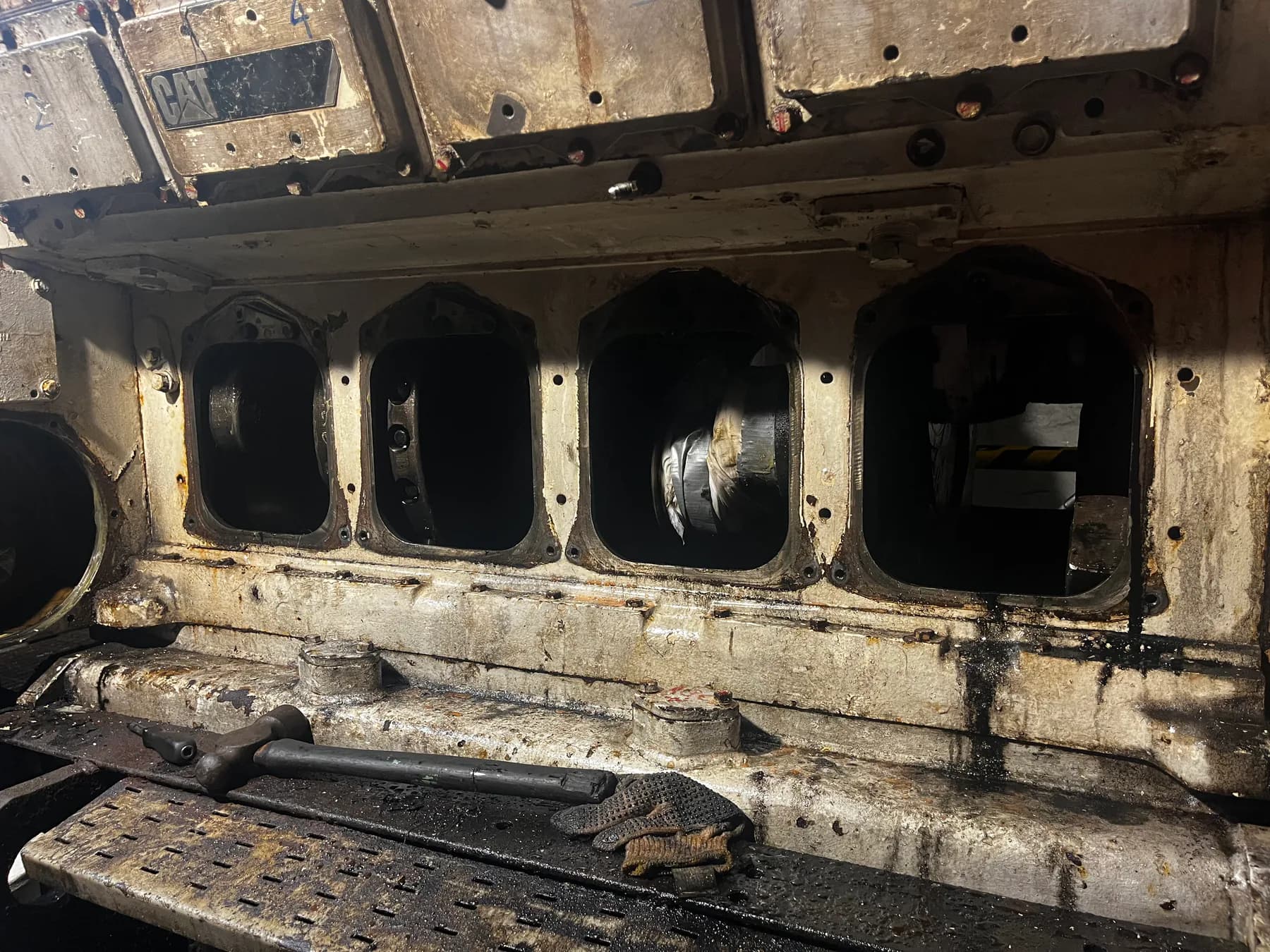
ENGINEERING IN PRACTICE
TESS applied this engineering-led sequence during a published passenger-vessel recovery assignment: a comprehensive technical inspection established the vessel condition, critical systems were stabilized for safe afloat condition, several technical parties were coordinated and a longer-term recovery and reactivation programme was developed.
The case demonstrates technical assessment and programme definition; it does not claim that TESS completed a full vessel reactivation.
See the ongoing passenger-vessel technical management case
Passenger Vessel Recovery, Stabilization & Reactivation PlanningPANAMA MARITIME HUB
Panama gives TESS a practical operating base around a major vessel-transit corridor, with access to Balboa on the Pacific side, Colón and Cristóbal on the Atlantic side, anchorages, shipyard activity, suppliers, workshops and specialist attendance.
That position supports technical vessel attendance and mobilization for vessels transiting or operating in the region. The same engineering methodology can support projects elsewhere where the scope, timing and mobilization are practical.
Balboa, Pacific anchorages and project mobilization around the Canal approach.
Colón, Cristóbal, Atlantic anchorages and regional technical attendance.
Project-specific engineering and superintendence support where the assignment can be responsibly mobilized.
WHY TESS
TESS positions engineering before execution and keeps technical closure inside the project scope.
The technical requirement and missing information are addressed before execution is treated as ready.
Scopes consider vessel access, installation, logistics, contractor interfaces and practical testing.
Dependencies between work packages remain visible instead of being left to individual contractors.
The project requirement comes before a preferred product, supplier or contractor.
Testing, outstanding items and the handover package are planned as part of completion.
Where appropriate, several parties can be connected through one controlled engineering programme.
START THE TECHNICAL REVIEW
A finished specification is not required. Send the information already available and identify what remains unknown.
ENGINEERING SUPPORT REQUEST
Send the vessel, location, current project stage and the technical information available. TESS will review the requirement before proposing the next step.
For a direct discussion, contact TESS by phone, email, WhatsApp or through the main contact page.
The agreed role may include reviewing the scope, monitoring progress, coordinating technical interfaces, recording deviations, following testing and outstanding items, and reporting technical status to the owner or manager. The superintendent does not replace the contractor, shipyard, Class, OEM or statutory authority.
Yes. TESS can provide owner-side engineering, technical coordination or site supervision within an agreed assignment. When the complete docking programme needs work-list, quotation, procurement and yard coordination, the dedicated Dry-Dock Organization service applies.
Yes. TESS can review the available vessel information, identify gaps, define scope boundaries and interfaces, and prepare a clearer technical basis for contractor input. Inspection-dependent items remain identified rather than being presented as confirmed facts.
Yes, where that coordination is included in the contracted scope. TESS can connect agreed mechanical, electrical, automation, fabrication, OEM, supplier, logistics and testing interfaces while each party retains responsibility for its own work.
TESS is based in Panama and may support projects elsewhere where the scope, location, access, timing and mobilization are practical. Each international attendance request is reviewed individually.
TESS can compare technical coverage, exclusions, assumptions and unclear responsibilities. This is a technical review for project definition, not legal advice, financial audit or authority to award a contract on the owner’s behalf.
Yes, when included in the assignment. Support may cover test readiness, commissioning coordination, functional verification inputs, punch-list follow-up and handover-document coordination. Formal certification remains with the responsible OEM, Class, survey or statutory party.
As early as practical when the technical problem, scope, interfaces or acceptance requirements are still unclear. Early involvement can also help when quotations need alignment, several contractors are being appointed or the owner cannot maintain continuous site presence.
ENGINEERING BEFORE EXECUTION
Send the vessel, location, technical issue, current stage, available drawings, photographs or reports, required support and target dates. TESS will review the requirement and determine the appropriate next technical step.
DEFINE THE PROBLEM. CONTROL THE SCOPE. VERIFY THE HANDOVER.