Before docking
Scope, work list, technical preparation, quotation alignment and procurement readiness.
DRY-DOCK ORGANIZATION · OWNER-SIDE TECHNICAL COORDINATION
A dry-dock period brings the shipyard, contractors, suppliers, specialists, survey requirements, materials and vessel crew into one compressed execution window.
TESS helps shipowners and ship managers prepare that programme before docking and coordinate the technical interfaces through execution, testing and handover — through one accountable project interface.
Your work list does not need to be final. Send the latest version, expected docking period and available technical information. We can identify the missing inputs needed for the next planning step.
BEFORE DOCKING
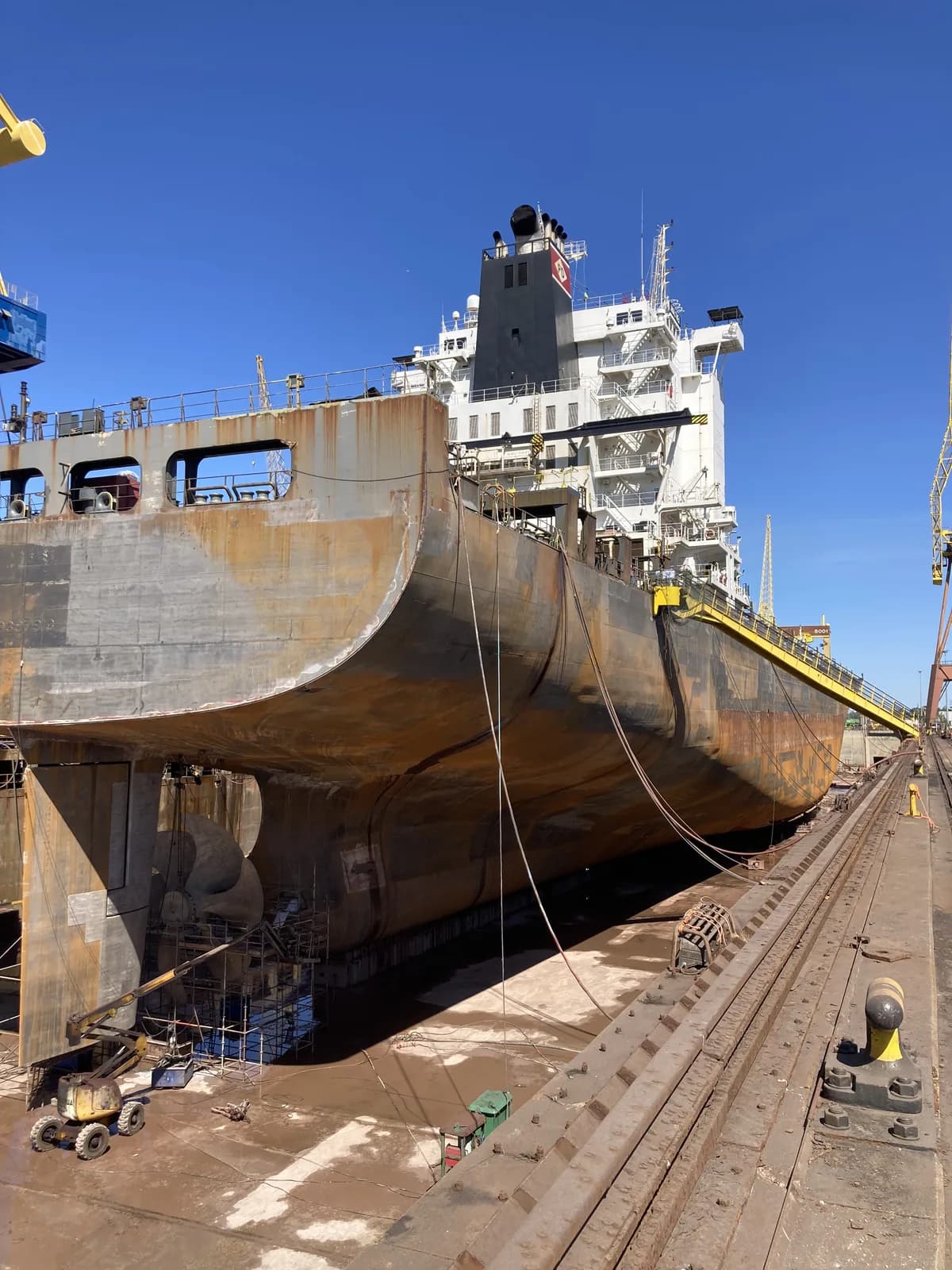
A successful yard period depends on decisions made before docking: what belongs in the work list, what information each bidder receives, which materials must be ready and how the execution sequence will be controlled.
TESS acts as an owner-side technical project integrator. We help turn vessel condition, superintendent priorities, survey requirements and planned upgrades into coordinated work packages that can be quoted, prepared and executed with clearer interfaces.
The selected shipyard remains responsible for its contracted works. Contractors, specialists, suppliers, OEM representatives and the vessel crew retain their defined responsibilities; class, flag, survey and OEM authority remains with those parties. TESS provides the technical coordination structure where contracted, without presenting itself as the yard, docking facility or commercial decision-maker for the owner.
Scope, work list, technical preparation, quotation alignment and procurement readiness.
Yard, contractors, specialists, progress, additional works and testing readiness.
Completion verification, outstanding items, documentation and technical handover.
EIGHT-STAGE PROJECT PROCESS
The sequence keeps dry-dock planning, preparation and project control connected instead of allowing each quotation, contractor and technical discipline to develop in isolation.
Review
Define
Specify
Align
Prepare
Plan
Coordinate
Verify
PRE-DOCKING TECHNICAL PREPARATION
A vessel’s first work list often combines defect notes, survey items, maintenance tasks, desired improvements and incomplete technical information. Before quotations can be compared, those inputs need enough structure to define what is being requested.
The objective is not to make the work list look finished. It is to expose missing information early enough to prepare the docking period responsibly.
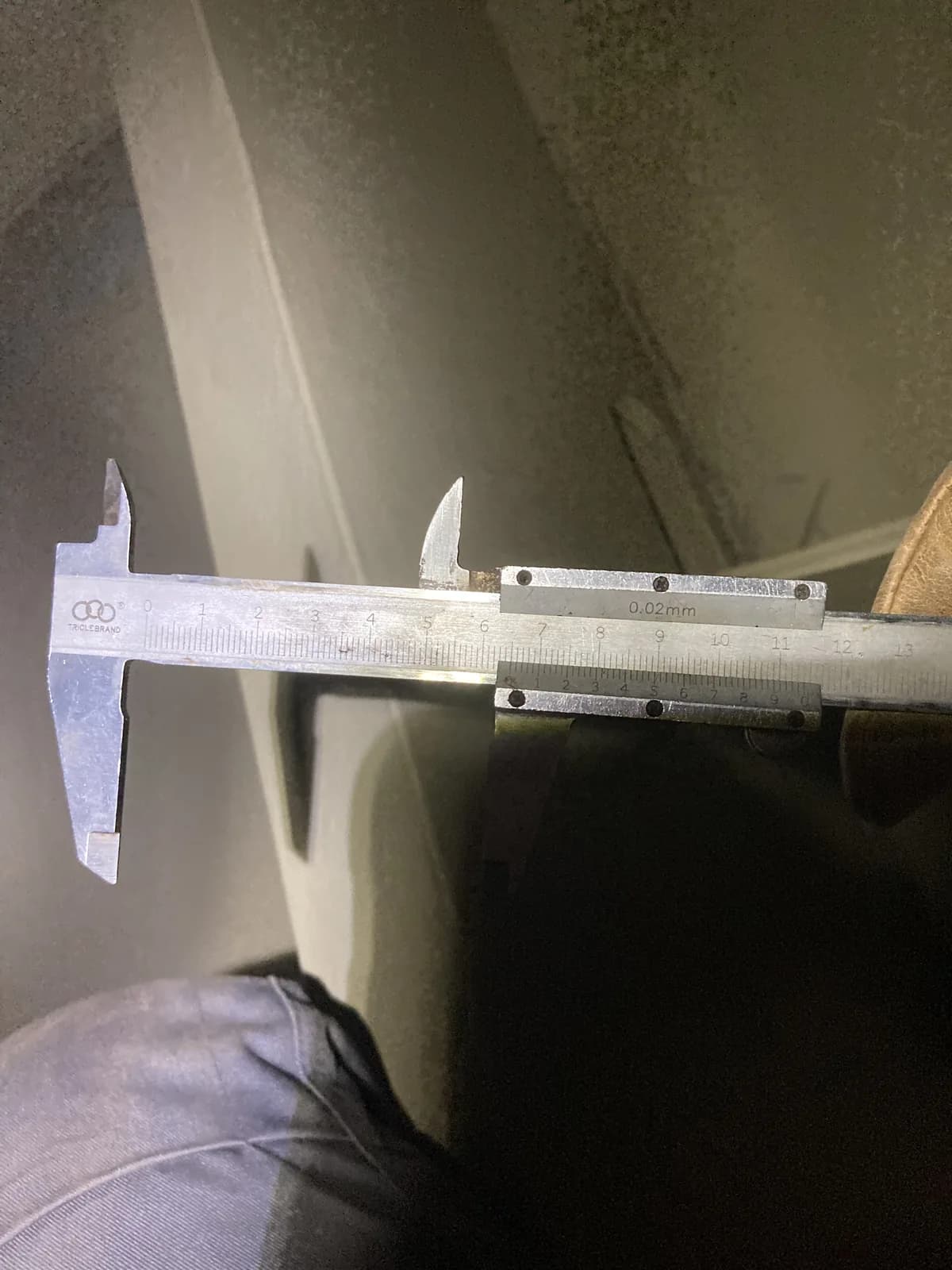
TECHNICAL QUOTATION COMPARISON
Two quotations can appear comparable while allocating access, services, quantities, tests and owner supply very differently. TESS can organize a technical comparison so the owner or authorized party can see where the scopes align and where clarification is still required.
This is technical quotation comparison and scope alignment, not legal advice, financial audit or contract approval. Commercial evaluation and award decisions remain with the owner or other authorized party.
PROCUREMENT READINESS
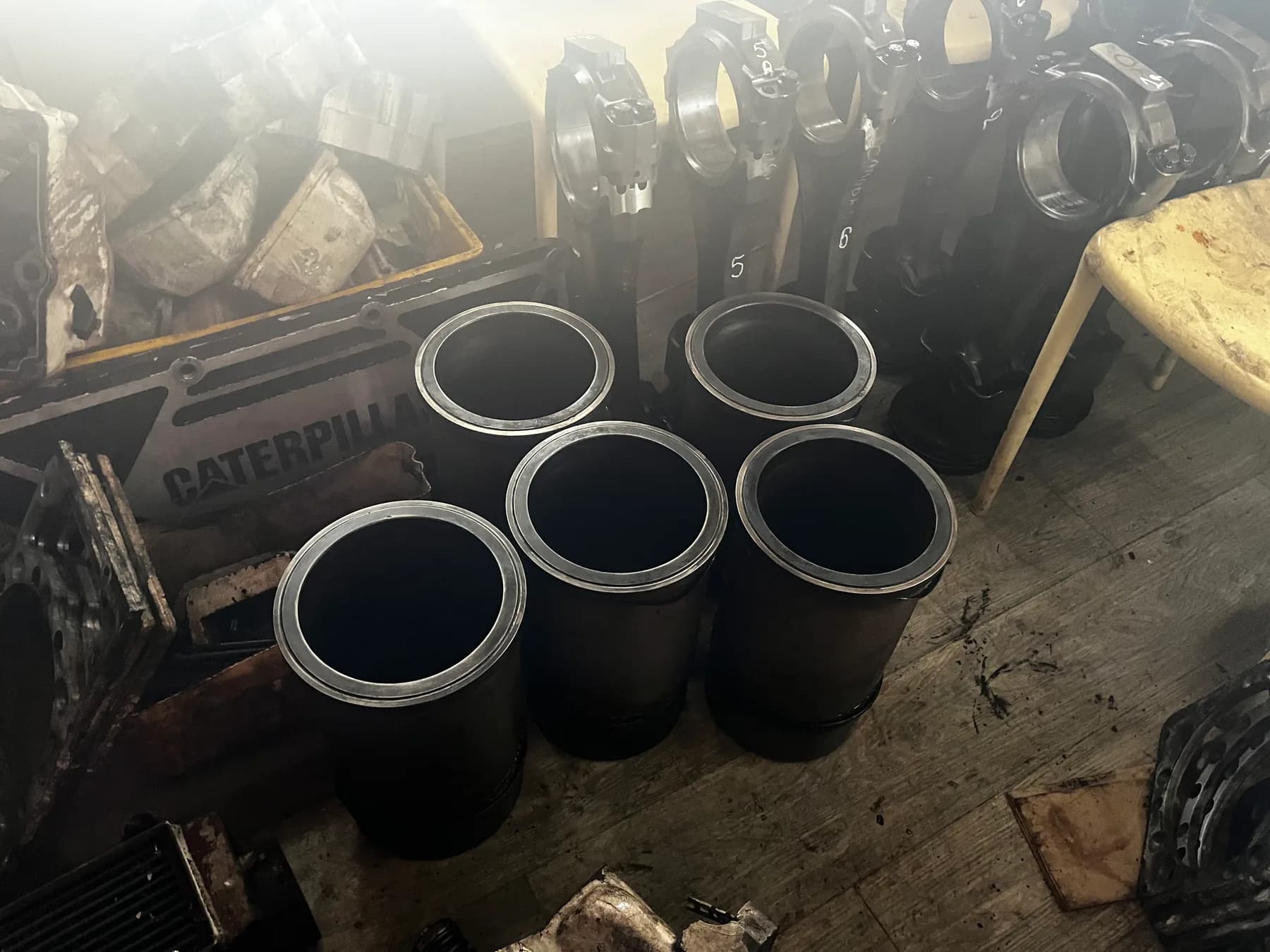
Procurement should follow the work list and execution sequence. Parts that are technically unverified, late or delivered to the wrong location can block access, testing and redelivery even when yard capacity is available.
TESS can connect technical verification, sourcing and logistics planning with the dry-dock programme where procurement is included in the confirmed scope.
Maker data, dimensions, materials, class or survey requirements, delivery point, preservation and installation interfaces are reviewed according to the available project information.
Long-lead and interface-critical items should be identified while the work list is still being prepared — not after the vessel enters dock.
International Marine Procurement & Supply Chain ManagementMULTI-DISCIPLINE INTERFACES
A docking programme may use a mixed delivery model involving TESS, yard teams, contractors, suppliers, specialists and OEM representatives. TESS coordinates the agreed technical interfaces; it does not imply that every work package is performed directly by TESS personnel.
Machinery, auxiliaries, pumps, alignments and mechanical work interfaces.
Power, cabling, controls, alarms, instrumentation and functional checks.
Inspection, repair packages, specialist attendance, spares and test dependencies.
Hydraulic systems, winches, cranes, windlasses and supporting interfaces.
Renewals, fabrication, valves, penetrations, supports, pressure tests and reinstatement.
Equipment, pipework, controls, refrigerant and commissioning interfaces.
Hull access, inspection findings, coatings, appendages and dock-dependent scope.
underwater condition inspection before docking →Defined maker, survey, testing or specialist inputs coordinated into the programme.
DURING DOCKING
Where TESS is contracted for technical coordination, supervision or site attendance, the project interface can connect daily execution with the approved work list, emerging conditions and redelivery priorities.
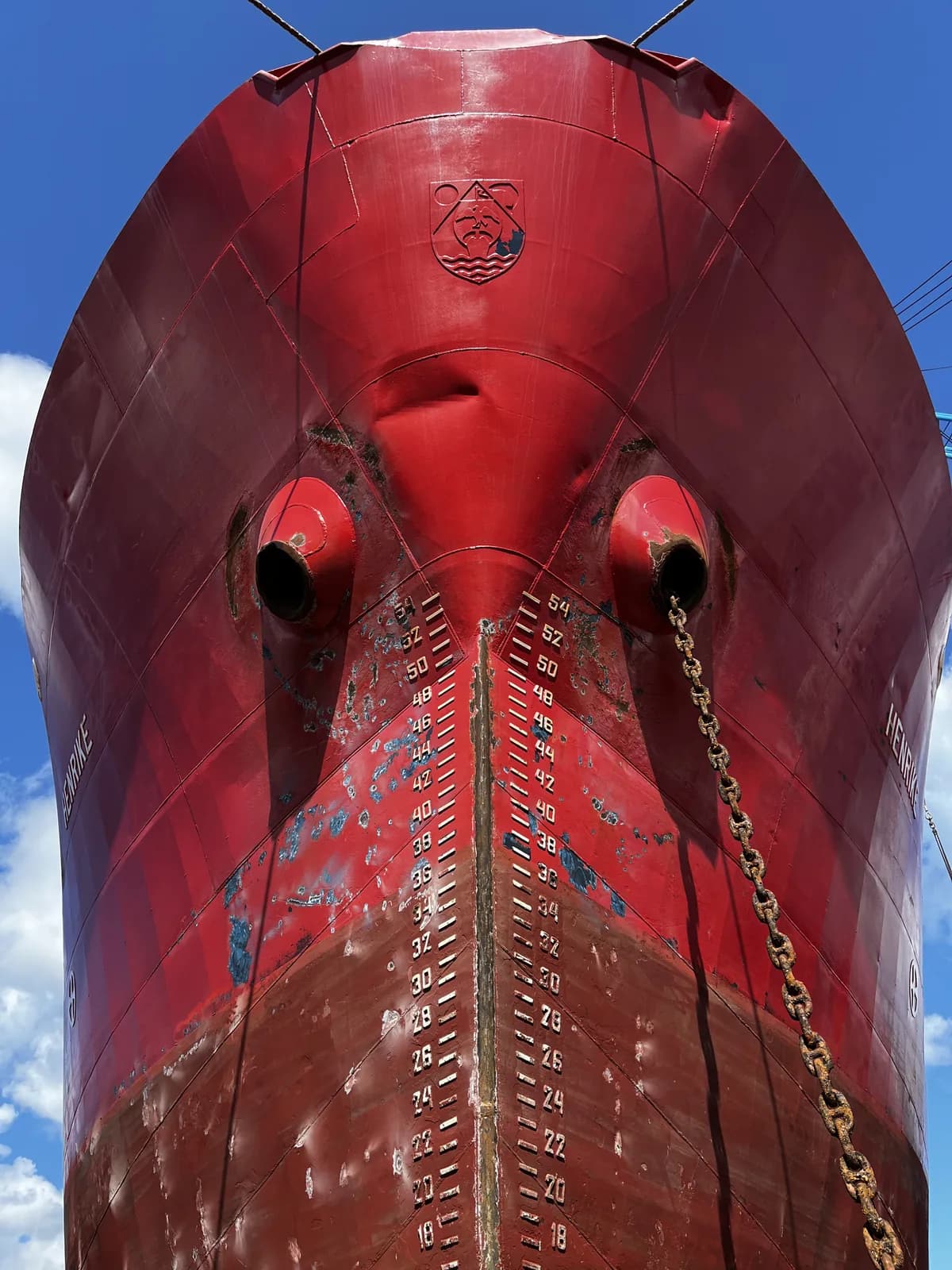
The coordination scope is defined by contract. It does not automatically give TESS command of the yard, class authority or commercial approval authority on behalf of the owner.
DISCOVERY WORK & CHANGE CONTROL
Opening machinery, removing coatings or exposing structure can reveal conditions that were not visible during planning. Those findings need a controlled path from discovery to any approved change in the programme.
RELATED PROGRAMME · 07.3
Dry dock can provide access and an execution window for selected renewal or upgrade work. When several vessel systems require condition-based rehabilitation, phased modernization or lifecycle planning beyond the yard period, that broader programme belongs within the dedicated refit scope.
07.4 coordinates the docking programme. 07.3 structures the wider multi-system modernization programme.
Vessel Refit & ModernizationRELATED PROJECT · 07.2
A docking programme may contain a defined equipment replacement or system installation. That package still needs its own engineering, procurement, onboard integration, testing and documentation logic even when its execution is scheduled inside the yard period.
07.4 manages the docking programme. 07.2 manages the integration of a defined equipment or system package.
Turnkey Marine System InstallationRELATED SERVICE · 07.1
Breakdowns, troubleshooting and suitable repairs alongside or at anchorage should not be forced into a dry-dock project. TESS evaluates the actual technical constraint so afloat work and dock-dependent work remain commercially and operationally distinct.
07.4 owns dry-dock preparation and project coordination. 07.1 owns operational intervention and repair afloat.
Afloat Ship Repair in PanamaONE ACCOUNTABLE PROJECT INTERFACE
The value is a clearer technical communication structure across the parties needed for the agreed docking scope — not a claim that TESS owns or contractually controls every participant.
Contractual, approval and statutory authority remains with the relevant parties unless a specific responsibility is formally delegated.
VERIFIED PROJECT EXPERIENCE
These published project records support the dry-dock planning, owner-side representation and procurement-readiness elements of the service.
Repair specifications, contractor evaluation, work supervision and completion verification before redelivery.
Dry Dock Planning & Repair Supervision →Independent owner-side supervision of repairs, retrofits and shipyard periods, with technical reporting and defined interfaces.
Owner’s Technical Representation & Project Supervision →Engineering-led sourcing, specification review, logistics and supply-chain coordination across international supplier markets.
International Marine Procurement & Supply Chain Management →INITIAL PLANNING INPUTS
Start with the information already available. TESS can identify missing technical inputs and propose the next preparation step without requiring a finished docking specification for initial review.
PROJECT ENQUIRY
Send the current work list and the information already available. A complete docking specification is not required for initial review.
For a direct discussion, contact the TESS project team by phone, email, WhatsApp or through the main contact page.
Depending on the contracted scope, it can include work-list preparation, technical work packages, quotation scope alignment, procurement readiness, execution planning, yard and contractor interfaces, progress visibility, additional-work coordination, testing readiness, outstanding items and technical handover.
Planning should begin early enough to review the vessel condition, clarify the work list, align quotation scopes and secure long-lead materials or specialist attendance. The appropriate lead time depends on the vessel, scope, survey requirements, intended yard and market availability; TESS does not guarantee slots or a fixed project duration.
Yes. TESS can review an existing list, organize available technical information, identify missing inputs and develop controlled work packages. Inspection-dependent items and provisional quantities remain identified as such rather than being presented as confirmed scope.
Yes, where technical coordination, supervision or site attendance is included in the contract. The yard remains responsible for its contracted works, and external contractors, specialists and suppliers retain their defined responsibilities.
Yes, where procurement is included in the confirmed scope. TESS can connect specification verification, sourcing and logistics planning with the work list so critical items and installation interfaces are considered before docking.
Yes. Dry dock can be a suitable execution window for selected upgrade work. A defined system installation is coordinated through the turnkey integration scope, while broader multi-system modernization should be structured as a separate refit programme connected to the docking plan.
Yes, where covered by the contracted coordination scope. TESS can document the discovery, clarify the technical requirement, obtain relevant input, make implications visible and integrate work after authorization. The owner retains commercial approval authority unless separately delegated by contract.
No. TESS does not position itself as the owner or operator of a proprietary dry dock. TESS works as an independent owner-side technical project integrator and can coordinate the selected or nominated shipyard, contractors, suppliers and specialists within an agreed project scope.
PREPARE BEFORE THE DOCKING CLOCK STARTS
TESS will review the available information and identify the technical inputs, quotation clarifications, procurement actions and coordination steps needed to move the project forward.
PREPARE. ALIGN. COORDINATE. VERIFY. HAND OVER.