BÖNING MARINE AUTOMATION · PANAMA PROJECT SUPPORT

Böning Marine Automation & Integrated Vessel Systems

Böning integrated automation for yachts and selected commercial vessels, supported by TESS engineering, integration and onboard execution from Panama.

Practical Böning experience · multi-brand engineering · Panama execution

One platform · four routes · TESS execution

  1. Vessel systems
  2. B⋮MACS · onboard architecture
  3. Yacht / commercial / remote / retrofit
Architecture is defined around project functions, interfaces and requirements.

Choose Your Böning Project Path

Start with the decision you need to make. A new yacht architecture, a working-vessel monitoring project, a shore-side information requirement and an aging onboard system need different assessments. These four paths share an engineering foundation while addressing different vessel and project questions.

01

Yacht & Superyacht

Define an integrated yacht automation environment from machinery and vessel systems to bridge and operator interfaces. This route is for technical managers preparing a newbuild or major refit, with B⋮MACS and appropriate yacht applications considered within an engineered scope. Establish the operator locations, required information and selected functions before choosing displays or panels.

Explore yacht automation →
02

Workboat & Commercial

Build a practical onboard information and alarm architecture around the vessel’s duty. Engines, generators, tanks, bilges, pumps and auxiliaries may form part of a project for tugs, service craft, fishing vessels and selected commercial applications. This route helps owners and fleet teams define suitable visibility and selected controls without importing yacht-specific complexity.

Explore commercial vessel automation →
03

Remote Vessel & Fleet Monitoring

Identify the selected information your technical team needs when it is ashore. B⋮Connect can be assessed as an optional remote layer for a single vessel or fleet, subject to source-system feasibility, connectivity and authorized access. Follow this route for remote data, history, alerts and fleet visibility requirements.

Explore B⋮Connect remote monitoring →
04

Retrofit & Modernization

An existing automation system may still function while becoming difficult to support, document or expand. Start with an assessment of what can remain, what needs repair and what should migrate or be replaced. This route addresses legacy Böning and suitable third-party systems, with a controlled transition toward an appropriate target architecture.

Explore Böning retrofit →

What Is Böning Marine Automation?

Böning provides marine automation technology that can form part of an integrated vessel-system architecture. The project brings together field information, processing, operator interfaces, alarms and selected control functions. The value is in defining how these elements work together for the actual vessel, its crew and its intended operation. A list of displays or controllers does not establish that architecture.

For a technical manager, the starting questions are practical: which systems need visibility, which conditions require an alarm, where the crew needs to interact, and which commands belong within the agreed automation scope. New construction can define those boundaries before installation. An existing vessel requires an understanding of what is already onboard and the interfaces that are available.

Böning is TESS’s featured marine automation platform for suitable integrated projects while TESS remains multi-brand and supports Siemens, Schneider Electric and other environments where technically viable. The platform is selected around the project. A local repair, an electrical distribution fault or a vendor-neutral lifecycle study still belongs within the broader Electrical & Automation service family.

For the complete multi-brand service family: Marine Electrical & Automation →

B⋮MACS Architecture: From Field Information to the Operator

B⋮MACS is the Böning modular onboard monitoring, alarm and control architecture used to bring together vessel-system information through acquisition and processing, interfaces and operator HMI. Depending on the engineered scope, it can support data acquisition, status, monitoring, alarms, visualization and selected control functions. These are distinct functions with different interface and verification requirements.

The field layer supplies measurements and equipment states. Acquisition and processing make that information available to the automation layer. Interfaces connect supported equipment or existing systems. The operator layer presents the agreed information in a form the crew can use. Alarm behavior and any command functions must be defined as part of the vessel’s operating and safety architecture.

The conceptual chain below is a way to discuss project boundaries, not a wiring design or a promise that every component is included. An optional remote layer is evaluated separately. An onboard B⋮MACS project does not automatically include B⋮Connect, a shore connection or permission to operate machinery remotely.

Conceptual onboard architecture

  1. Sensors / equipment
  2. Acquisition / I/O
  3. Processing / B⋮MACS
  4. HMI / alarms / selected control
  5. Optional B⋮Connect
Each connection depends on an engineered interface. The optional remote layer is a separate scope; visibility alone does not establish control authority.

A signal or equipment status being visible in a monitoring system does not by itself mean that the equipment is remotely or automatically controllable. Monitoring, alarming and control depend on the engineered interfaces, onboard control logic, permissions, safety architecture and approved project scope.

Define Capabilities as an Engineering Scope

A useful project definition separates what the crew needs to see from what the system must announce and what it may command. That separation helps establish the signal list, interface responsibilities and acceptance criteria before hardware is selected. It also prevents an attractive display from being mistaken for a complete control-system specification.

Equipment availability, OEM documentation, software access and installation constraints influence the final scope. Third-party vessel equipment and existing automation may be interfaced or integrated where technically feasible and where protocols, signals, documentation, access rights, safety logic and project requirements permit.

Monitoring and status

Identify the measurements and states that matter to the vessel. Define the source, meaning, units and normal operating context of each item. An existing indication may be useful, but it still needs a verified route into the intended operator view.

Alarms and operator information

Define which conditions need attention and how the crew should recognize them. Alarm priorities, presentation and response expectations are vessel decisions. The engineering scope must also distinguish a real process alarm from missing or unreliable source information.

Selected control and interfaces

A command function requires an explicitly engineered output path, suitable onboard logic, permissions and safety verification. An interface that exposes information is not automatically a control interface. Retained local controls and equipment protection remain part of the design basis.

For a generic alarm or measurement problem in an installed system, use the specialist service: Alarm, monitoring and sensor support →

Vessel Applications: Start with the Operating Environment

Yachts and working vessels can share the need for reliable system information while placing different demands on operator locations, machinery use, maintenance access and project coordination. Vessel length alone is not a sufficient selection rule. The operating profile, installed equipment, crew arrangements and applicable requirements determine whether a Böning-based project is suitable.

A yacht project may place particular emphasis on the relationship between machinery visibility and bridge or operator interfaces. A commercial project may focus on practical access to engines, generators, tanks, bilges and auxiliaries. Each requires a clear scope; neither should inherit functions simply because another vessel uses them.

Yachts and superyachts

Sailing and motor yachts, including technically suitable larger yacht projects, need vessel-wide coordination between machinery, operator stations and selected systems. The yacht path addresses that integration and the distinction between newbuild and major refit requirements.

Working and commercial vessels

Tugs, pilot craft, crew boats, service and utility craft, supply/support vessels, fishing vessels and selected small passenger or research applications can be assessed around their actual duty. Suitability is established individually; this is not a universal replacement proposition for large commercial IAS installations.

One vessel or an existing fleet

A manager may need to organize the onboard project for one vessel, extend selected information ashore, or plan lifecycle work across several vessels. Onboard architecture, remote visibility and modernization remain separate decisions even when they form one coordinated programme.

New Integrated Project, Remote Extension or Existing-System Modernization?

The first enquiry does not need to contain a finished specification. It should explain the intended outcome and the vessel’s starting position. That allows TESS to identify whether the next step is an architecture review, an interface assessment or a survey of existing equipment. Procurement follows a sufficiently defined scope, rather than replacing that definition.

A new integrated project starts with required onboard functions and the equipment they must connect. A remote extension starts with selected information needed ashore and the availability of a supported source. Modernization starts with the condition and supportability of the installed architecture. These routes can meet at interfaces, but each has its own technical owner and acceptance questions.

When the central question is what a technical team needs to see ashore: B⋮Connect remote assessment →

When the central question is what should remain or change onboard: Böning retrofit and modernization →

Why TESS + Böning in Panama

An integrated automation project needs a practical connection between design intent and the vessel. TESS can provide that local engineering and execution layer from Panama: survey the installation, clarify the work scope, define interfaces, coordinate supply and organize the agreed onboard work. Attendance and testing must be planned around access, vessel operations and the available port or yard window.

TESS has practical experience with Böning marine monitoring and automation systems and is developing a formal regional cooperation framework. Project support is assessed against the installed equipment, access and manufacturer support available. Commercial representation or proprietary software rights are not inferred from practical experience.

The allocation of responsibilities matters. Böning retains responsibility for its product and platform design, proprietary hardware and software, firmware, OEM documentation and product support. TESS’s contracted scope may cover vessel assessment, interface engineering, installation, testing, commissioning support and coordination with suppliers, the yard and the vessel’s technical team.

Engineering before attendance

Review available system drawings, photographs and required functions to prepare a useful survey. Identify what needs onboard confirmation, which equipment owners need to participate and which unknowns prevent a reliable technical or commercial commitment.

Onboard execution

Coordinate installation access, cabling and termination, panel interfaces, testing and documentation within the contracted scope. A Panama base supports vessel-call planning; the actual attendance and execution window must still be agreed for the project.

Defined responsibilities

Separate OEM product support from integration and installation work. Identify who approves a changed function, supplies a proprietary configuration, witnesses a test and accepts the handover. This avoids leaving critical interfaces between suppliers without an owner.

Where the project needs broader owner-side technical coordination: Engineering & Superintendence →

Delivery Model: Survey to Commissioning and Support

Begin with a survey or technical review that establishes the vessel, installed configuration and desired result. Define the scope and the evidence needed to make engineering decisions. Develop the architecture and interface requirements before confirming supply and installation commitments. The depth of each stage depends on whether the work is a new installation, an extension or a modernization.

The installation plan should connect equipment availability, onboard access, contractor responsibilities and the test window. Testing then verifies the agreed information and functions through the intended operator interfaces. Commissioning support and handover should provide a usable record of the delivered scope, outstanding limitations and the responsibilities for future support.

  • Survey and define the project basis
  • Engineer the architecture and interfaces
  • Coordinate equipment supply and OEM inputs
  • Install and verify the agreed onboard scope
  • Test, support commissioning and document handover
  • Agree lifecycle support and follow-up responsibilities

Selected components may carry relevant approvals; this does not automatically approve the installed vessel system. Requirements depend on the vessel, flag and Class. Network access and cybersecurity requirements are assessed for the project, and approval remains with the applicable authority.

Practical Experience within a Multi-Brand Engineering Context

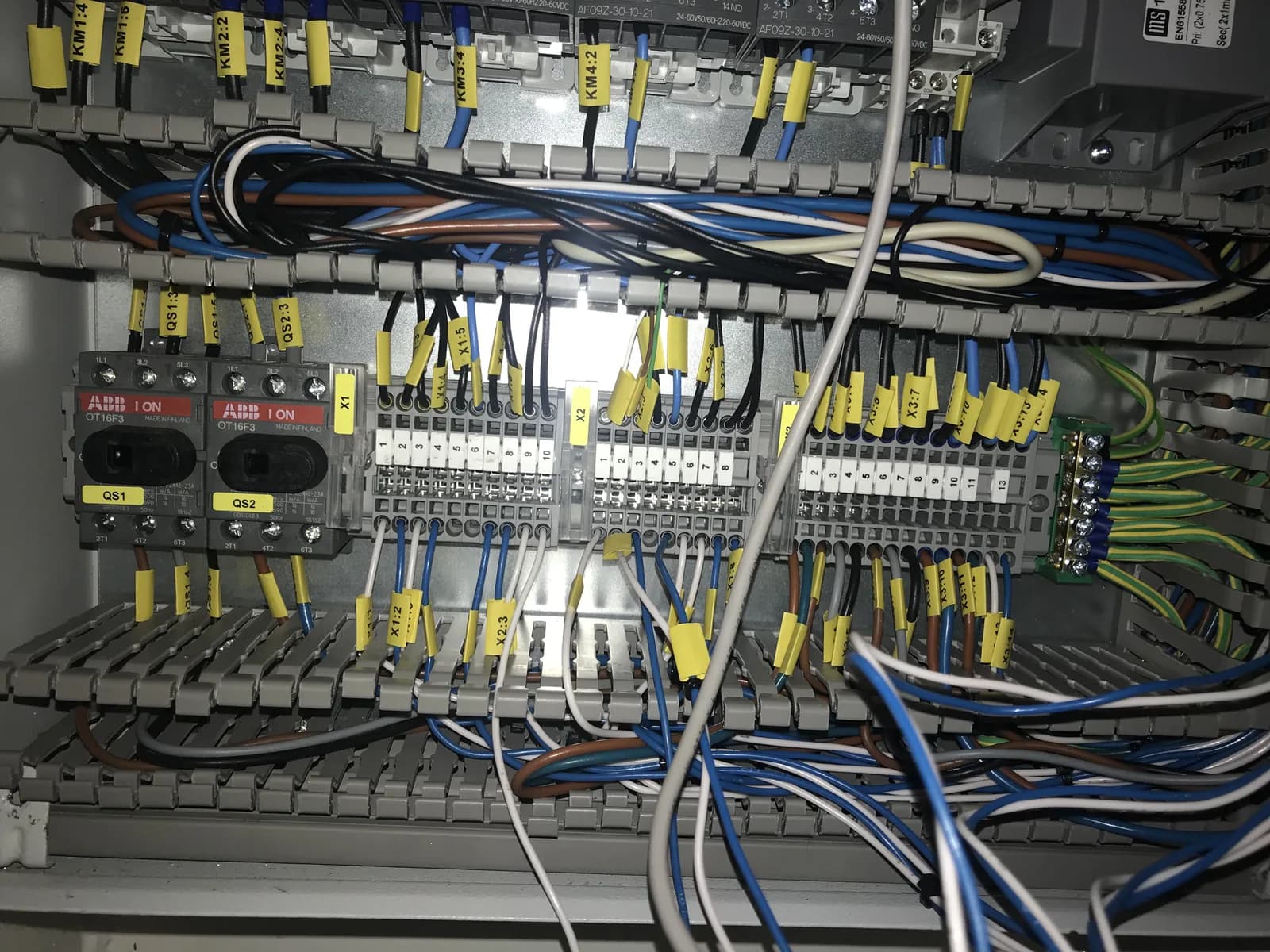
The marine automation integration case documents bridge-console fabrication, control-cabinet work and system integration under TESS’s lead engineer. It is identified as lead-engineer experience, not recast here as a TESS corporate delivery or an OEM appointment. The case helps illustrate the physical and coordination work behind an automation project: drawings, panels, cable terminations, interfaces and functional checks.

That experience informs how a project is approached; it does not prove that an unassessed vessel is compatible or that the same scope can be repeated without engineering. S/Y Melody provides yacht-project experience attributed to the lead engineer. These references do not establish a TESS B⋮Connect delivery record.

Böning remains a featured platform within a wider service capability. A project involving Siemens, Schneider Electric or another installed environment may require support or interfaces that are technically viable without replacing that environment. The appropriate route follows the vessel’s needs, the available access and the scope that can be verified.

Marine automation cabinet terminations and wiring
Lead-engineer experience, with the published case attribution retained.

Read the published case and its attribution: Marine automation integration experience →

Böning Project Questions

These answers establish the overall project boundaries. Select the assessment for your yacht, working vessel, remote-visibility requirement or modernization project to develop the relevant scope.

What is B⋮MACS?

It is Böning’s modular onboard monitoring, alarm and control architecture. A project defines the acquisition, processing, interfaces and operator HMI needed for selected vessel functions. It is not a promise that every connected device can be commanded or that a remote layer is included.

Which vessel types can be assessed?

Yachts and superyachts, workboats and selected commercial applications can be reviewed. Suitability depends on the operating profile, installed equipment, interfaces and project requirements. Use the yacht or commercial path to discuss the relevant onboard architecture.

Is B⋮Connect part of every project?

No. B⋮Connect is an optional remote layer for selected information and fleet visibility. It needs its own source, interface, connectivity and authorized-access assessment. The remote-monitoring assessment establishes that scope.

Can TESS work with an existing third-party system?

Interfaces or integration may be possible where the protocols, signals, documentation, access rights and safety requirements permit. An equipment list helps begin the review, but compatibility must be established for the intended function and configuration.

Does TESS work only with Böning?

No. Böning is a featured platform for suitable integrated projects. TESS remains multi-brand, including Siemens, Schneider Electric and other environments where technically viable. Generic electrical or automation work continues through the existing specialist services.

Can existing automation remain in service?

Existing vessel systems should be assessed before replacement. Technically suitable components may sometimes remain, but reuse is project-specific and never assumed. A Böning retrofit assessment defines the retention decisions and transition plan.

Does monitoring automatically mean control?

No. Seeing equipment status does not establish a command path or authority to operate it. Control requires explicitly engineered interfaces, onboard logic, permissions and safety verification. Remote notifications also do not replace onboard alarms.

Can TESS support installation and commissioning in Panama?

Depending on the contracted scope, TESS can coordinate survey, engineering, installation, testing and commissioning support. The vessel’s access, schedule, equipment availability and OEM or Class inputs determine the practical execution plan.

What should I send for a project review?

Start with the vessel type, the result you need, current system information and the intended window. Available drawings, I/O or alarm lists and panel photographs help. You can submit a useful enquiry without knowing every technical detail.
DEFINE THE NEXT ENGINEERING STEP

Böning Marine Automation Project Review

Send the information available. TESS will review the objective, installed system and project window to propose the next technical assessment. Scope and commercial terms are agreed after that review; a complete specification is not needed to start the enquiry.

  • Vessel type, operating context and desired functions
  • Current maker/platform and available system drawings or panel photos
  • Newbuild, existing vessel or refit status
  • Location, intended project window and relevant technical contacts

Fields marked * are required. Technical details may be left blank if unknown.

Describe the outcome you need and the current system, if known. Do not include passwords or access credentials.
Add vessel and project details
Optional: up to 5 JPG, PNG, WebP, PDF, DOCX or XLSX files, 4 MB total. For larger documents, send the enquiry first and agree a transfer method.