Estabilización
Reducir el riesgo técnico inmediato, atender la funcionalidad esencial y crear una condición controlada para continuar con la evaluación y la planificación.
Buque de Pasajeros / Recuperación del Buque / Panamá
Cuando un buque de pasajeros ha permanecido inactivo o ha sufrido un deterioro técnico prolongado, el primer desafío no consiste simplemente en decidir qué reparar. Consiste en establecer la condición técnica real del buque, separar los problemas críticos de las deficiencias secundarias, recuperar la funcionalidad esencial para la seguridad inmediata y convertir numerosos problemas individuales en un programa de recuperación controlado.
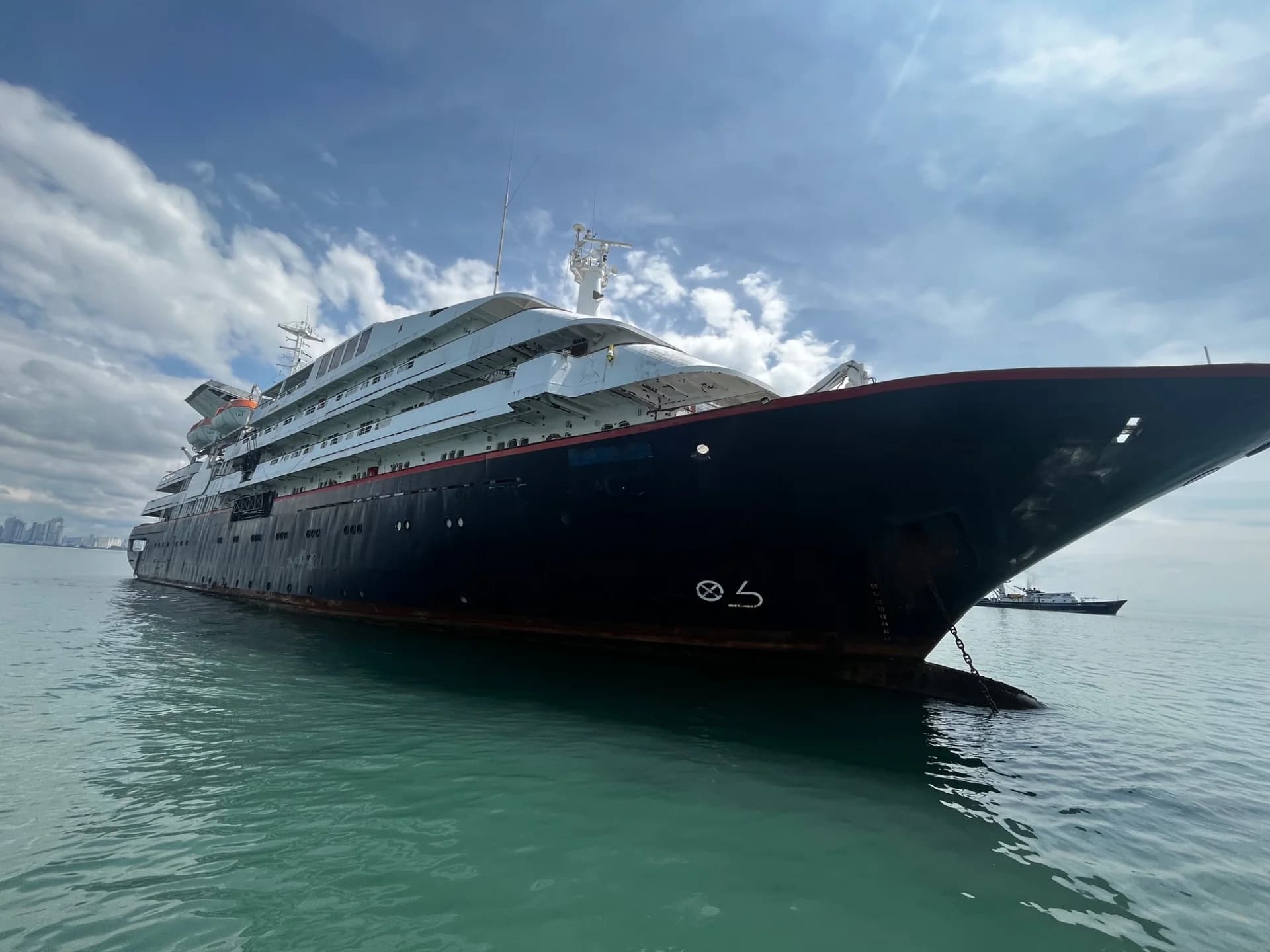
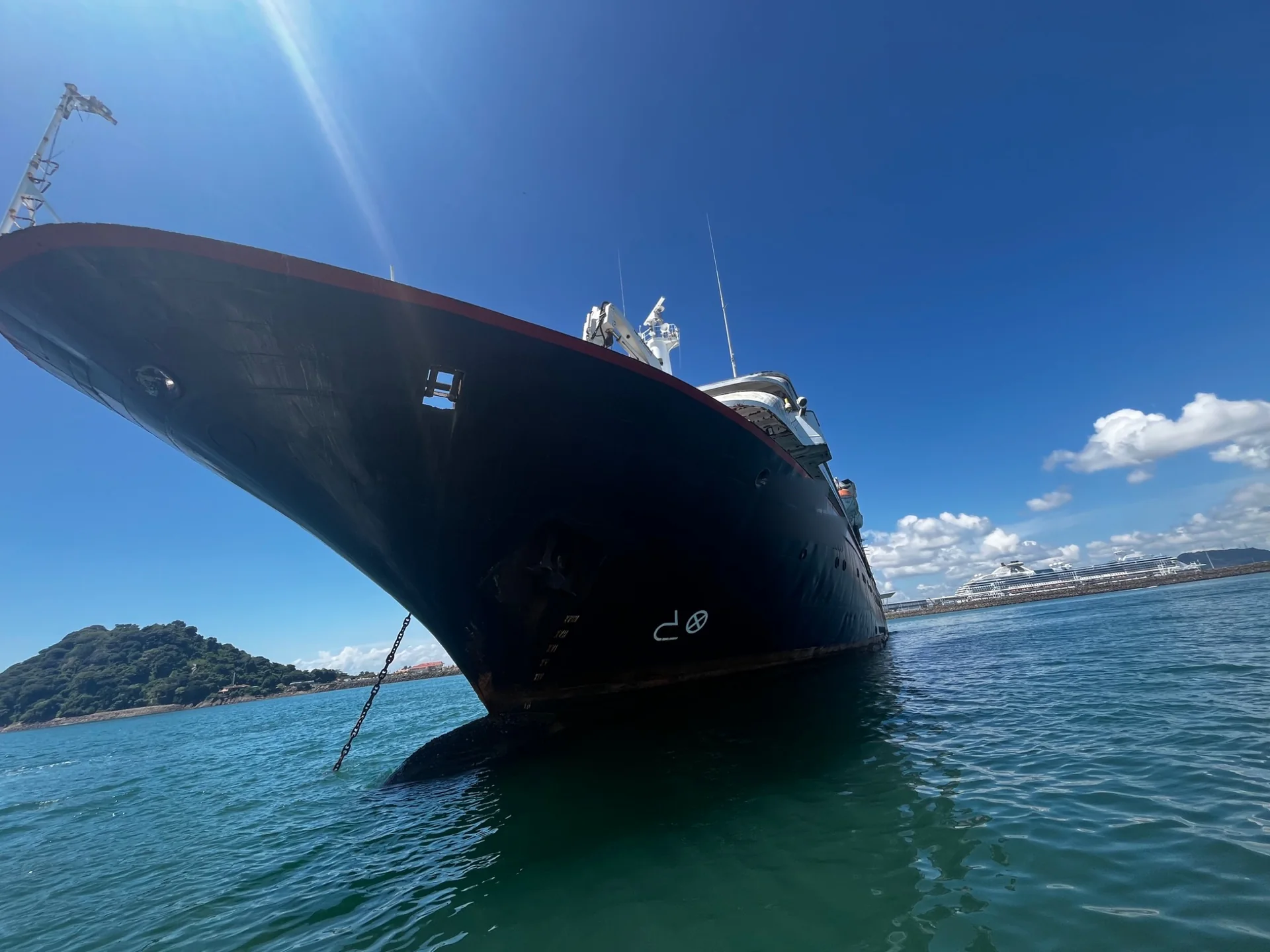
TESS fue contratada en Panamá para apoyar la evaluación técnica y la fase inicial de recuperación y estabilización de un buque de pasajeros que requería una rehabilitación extensa.
La fase inicial se concentró en comprender el buque sistema por sistema, identificar y priorizar deficiencias críticas, coordinar varias empresas especialistas, atender la maquinaria y los sistemas esenciales requeridos para una condición segura a flote y desarrollar la hoja de ruta de ingeniería para la recuperación del buque a largo plazo.
Envíe a TESS los datos del buque, su ubicación actual y la información técnica disponible. Podemos ayudar a establecer la condición, identificar las prioridades inmediatas y definir los siguientes pasos de recuperación.
Descripción General del Proyecto
No se trató de una reparación de un equipo aislado.
El buque requería un enfoque de ingeniería más amplio que abarcara su condición técnica general, los riesgos inmediatos, los sistemas críticos, las dependencias entre reparaciones y la secuencia en que debían ejecutarse los trabajos futuros de rehabilitación.
TESS actuó como punto central de coordinación técnica entre el armador, las inspecciones, los contratistas especialistas, los proveedores y los alcances individuales de reparación.
El Desafío
Antes de tomar decisiones importantes sobre la recuperación, el armador necesitaba una respuesta confiable a la pregunta fundamental: ¿Cuál es la condición técnica real del buque?
Ya participaban varias disciplinas técnicas y empresas externas. Cada especialista podía evaluar o reparar sus respectivos equipos, pero el buque aún necesitaba una capa de coordinación técnica capaz de integrar esos hallazgos en una visión general de ingeniería.
Primera Prioridad
La evaluación técnica debía realizarse antes de formular supuestos sobre el alcance, el costo o la secuencia de las reparaciones.
El objetivo no era simplemente elaborar otra lista de deficiencias. Era comprender qué debía hacerse, en qué orden y por qué razón técnica.
¿No sabe por dónde empezar?
No necesita contar con una especificación de reparación completa antes de contactar a TESS. Envíe el estado técnico actual del buque, las deficiencias conocidas, los informes disponibles y las fotografías. TESS puede comenzar por ayudar a establecer la condición real y organizar el alcance de recuperación en prioridades técnicas claras.
Estabilización del Buque
El objetivo de la fase inicial no era una restauración completa del buque.
La prioridad inmediata de ingeniería era establecer una condición más segura y técnicamente controlada mientras el buque permanecía a flote y se definía el programa general de rehabilitación.
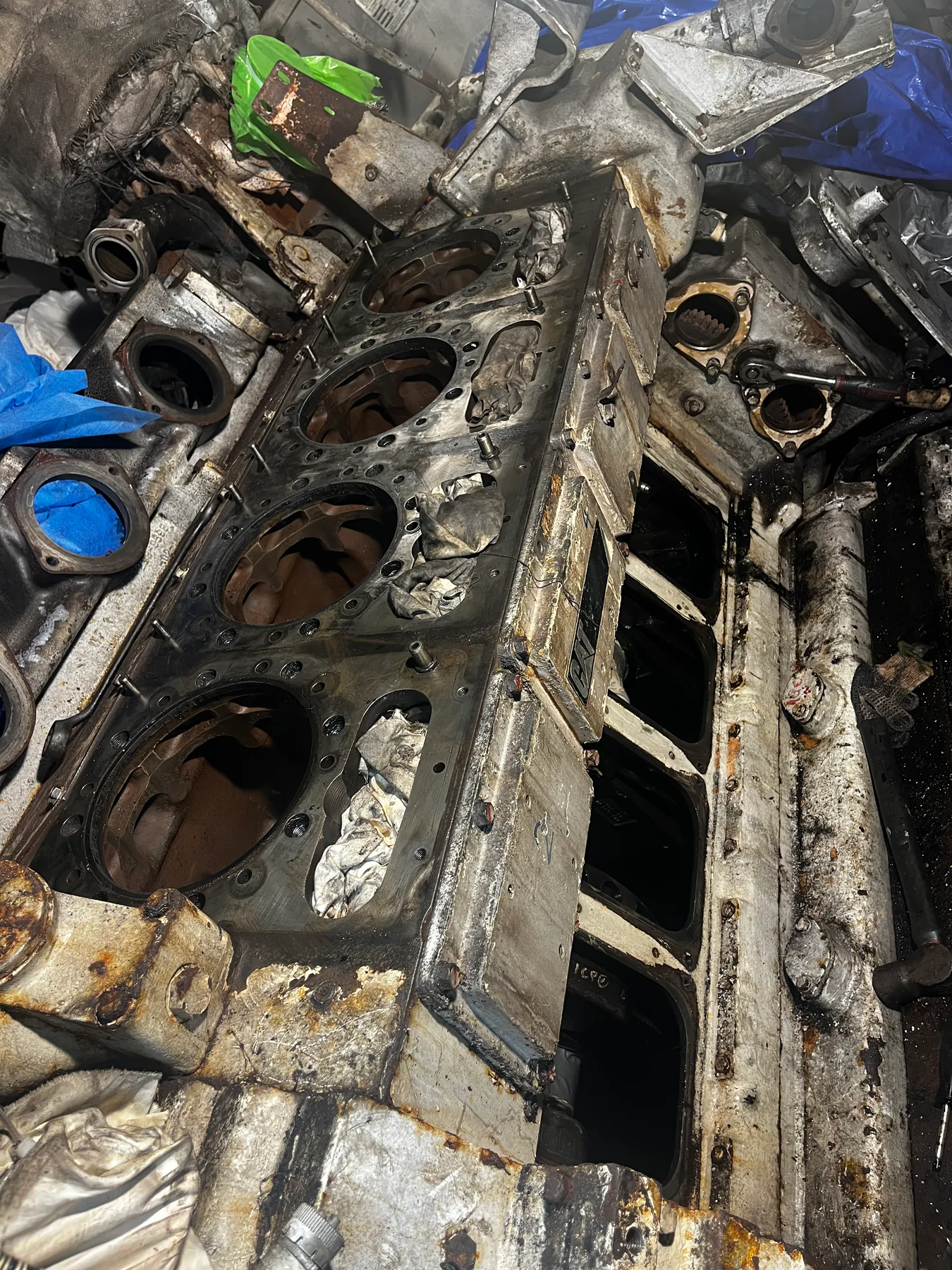
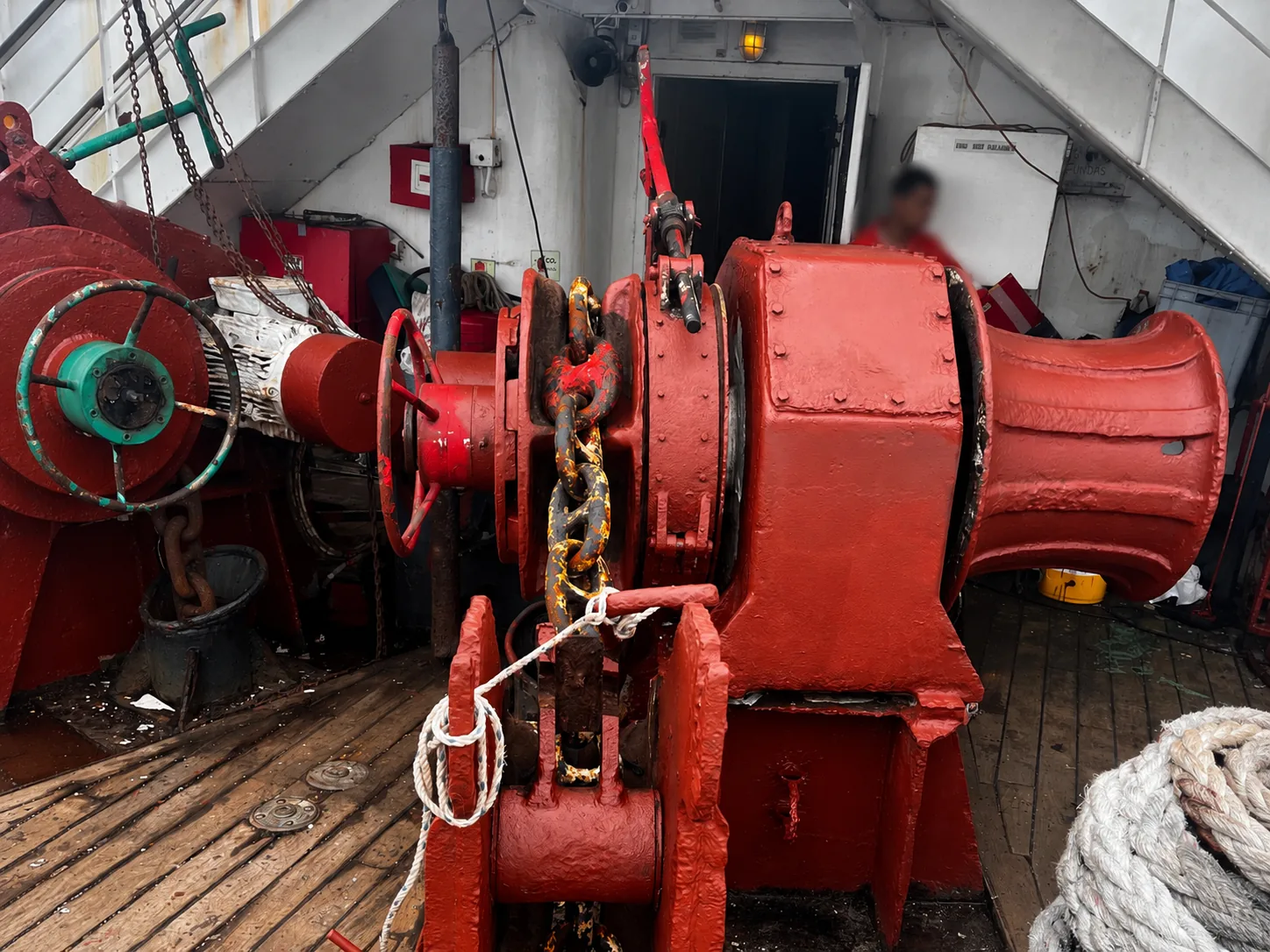
El alcance confirmado abordó maquinaria crítica, sistemas de apoyo, prioridades técnicas relacionadas con la seguridad y trabajos correctivos inmediatos. Cuando correspondía dentro del alcance confirmado del proyecto, se recuperó o restableció la funcionalidad de maquinaria y sistemas esenciales para reducir el riesgo técnico inmediato.
Esta distinción ayudó a definir qué podía atenderse mediante reparación naval a flote en Panamá y qué podía requerir investigación adicional, instalaciones especializadas o la planificación de una futura entrada a dique seco.
Reducir el riesgo técnico inmediato, atender la funcionalidad esencial y crear una condición controlada para continuar con la evaluación y la planificación.
Una secuencia más amplia de ingeniería, procura, reparación, pruebas, documentación y seguimiento, regida por la condición confirmada del buque y las prioridades del armador.
Imágenes del Proyecto
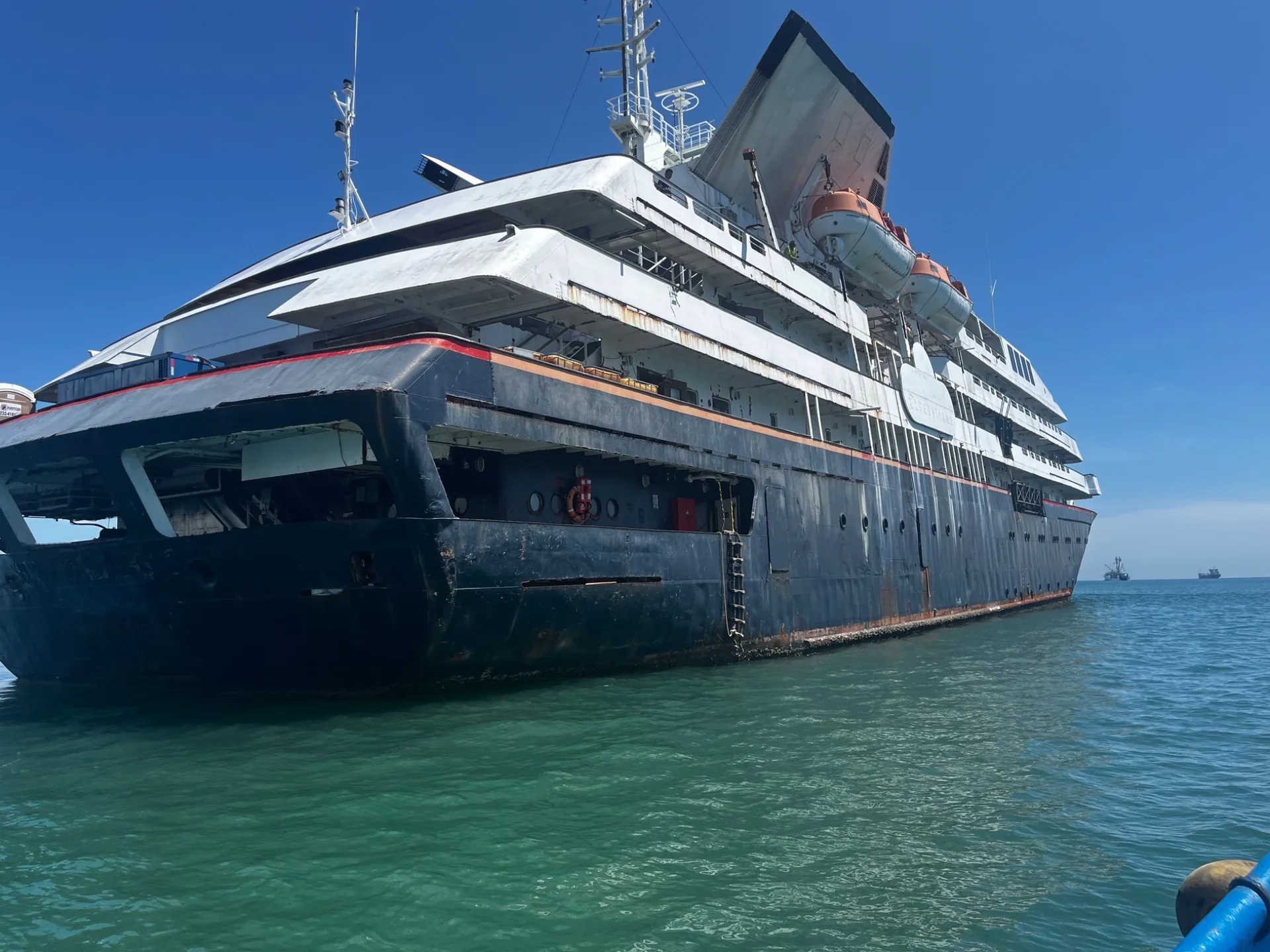
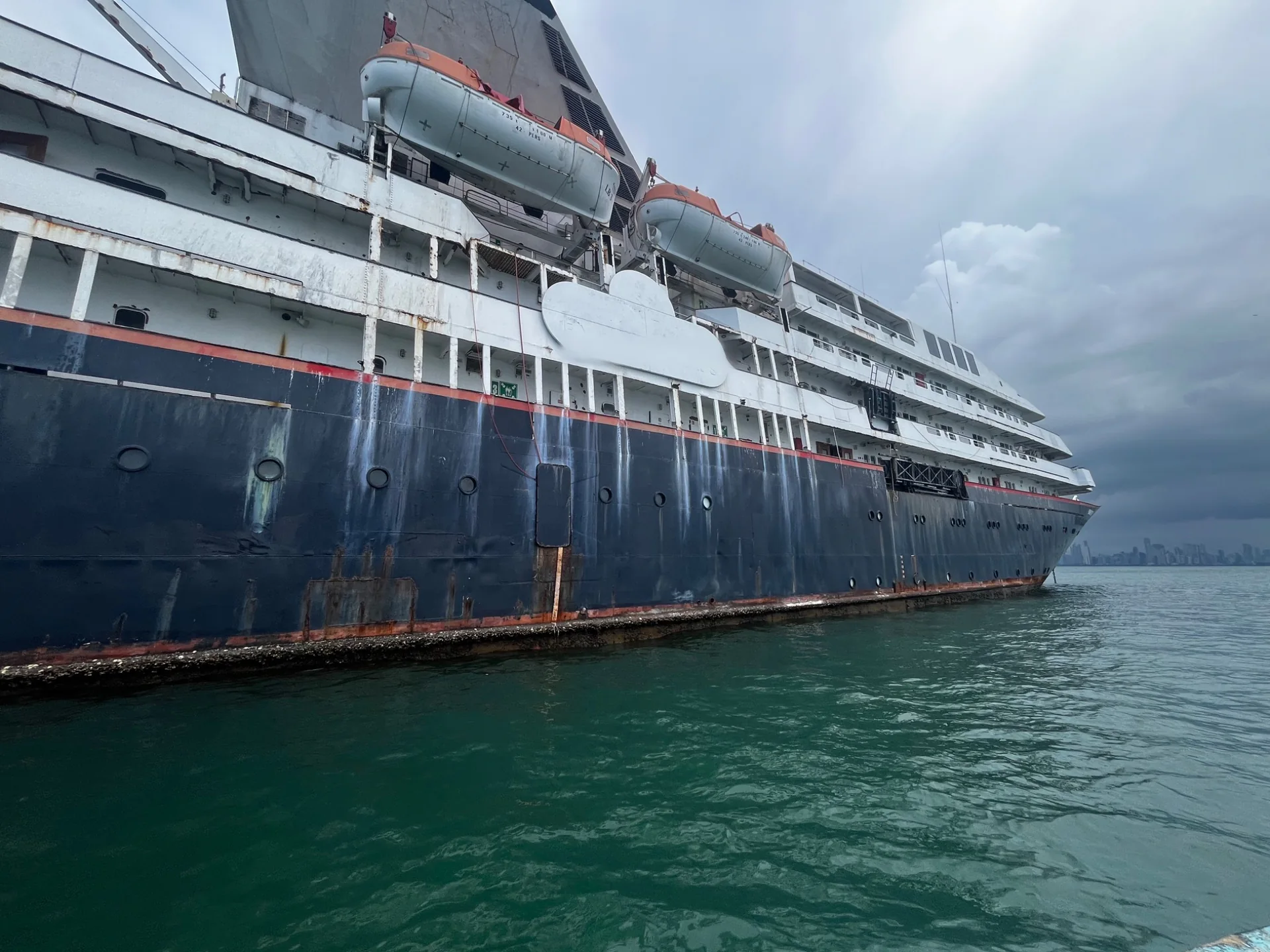
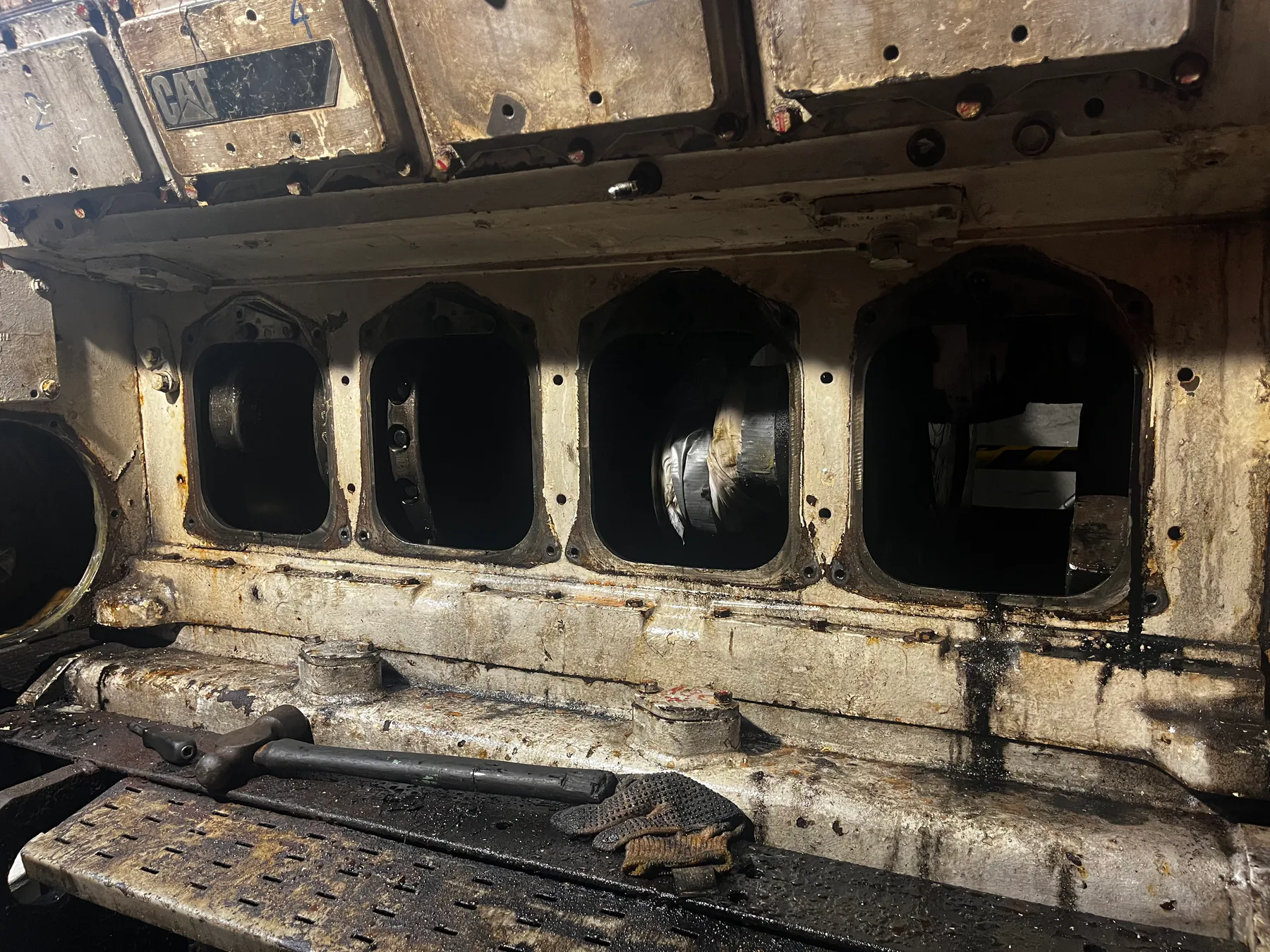
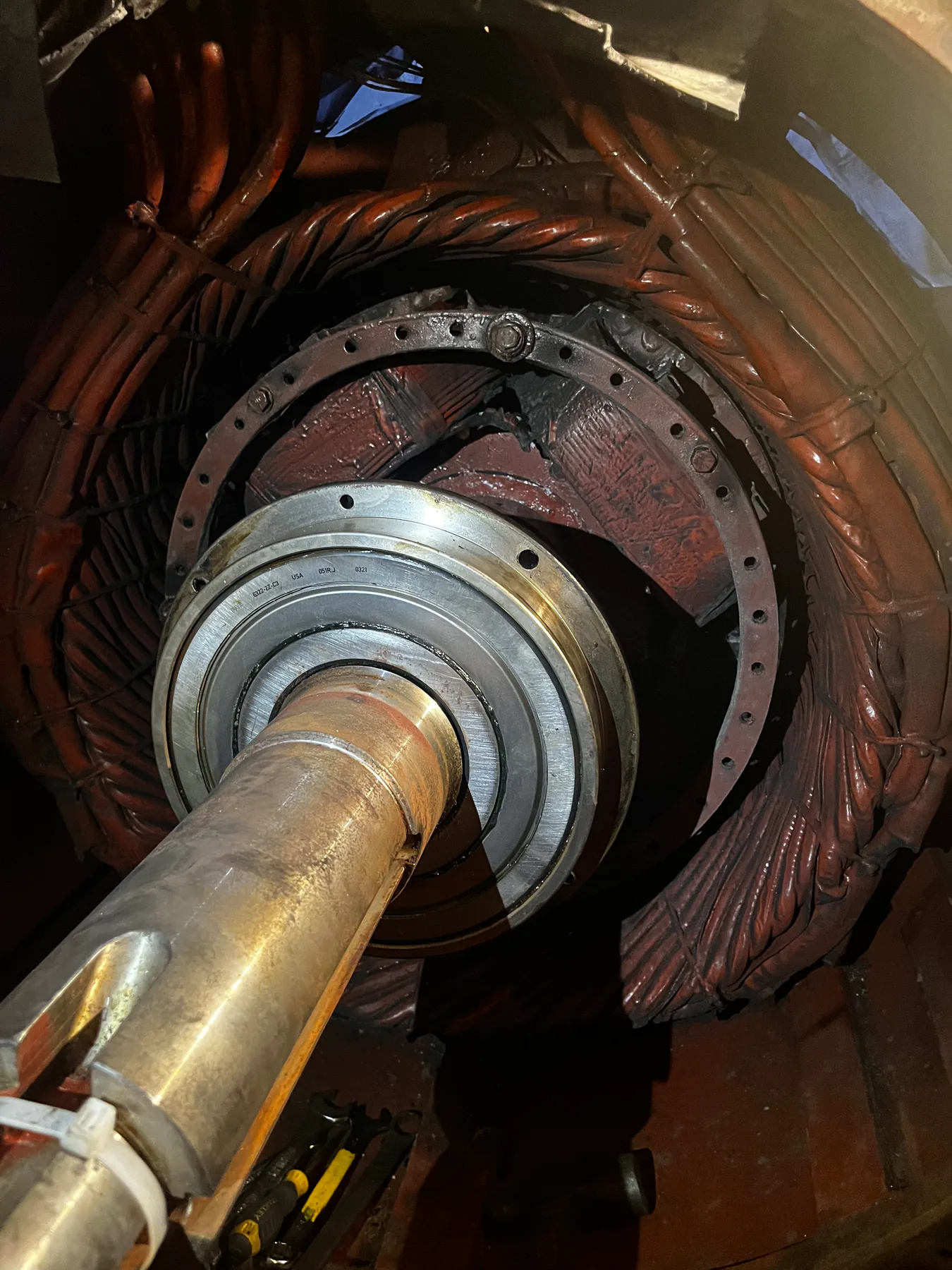
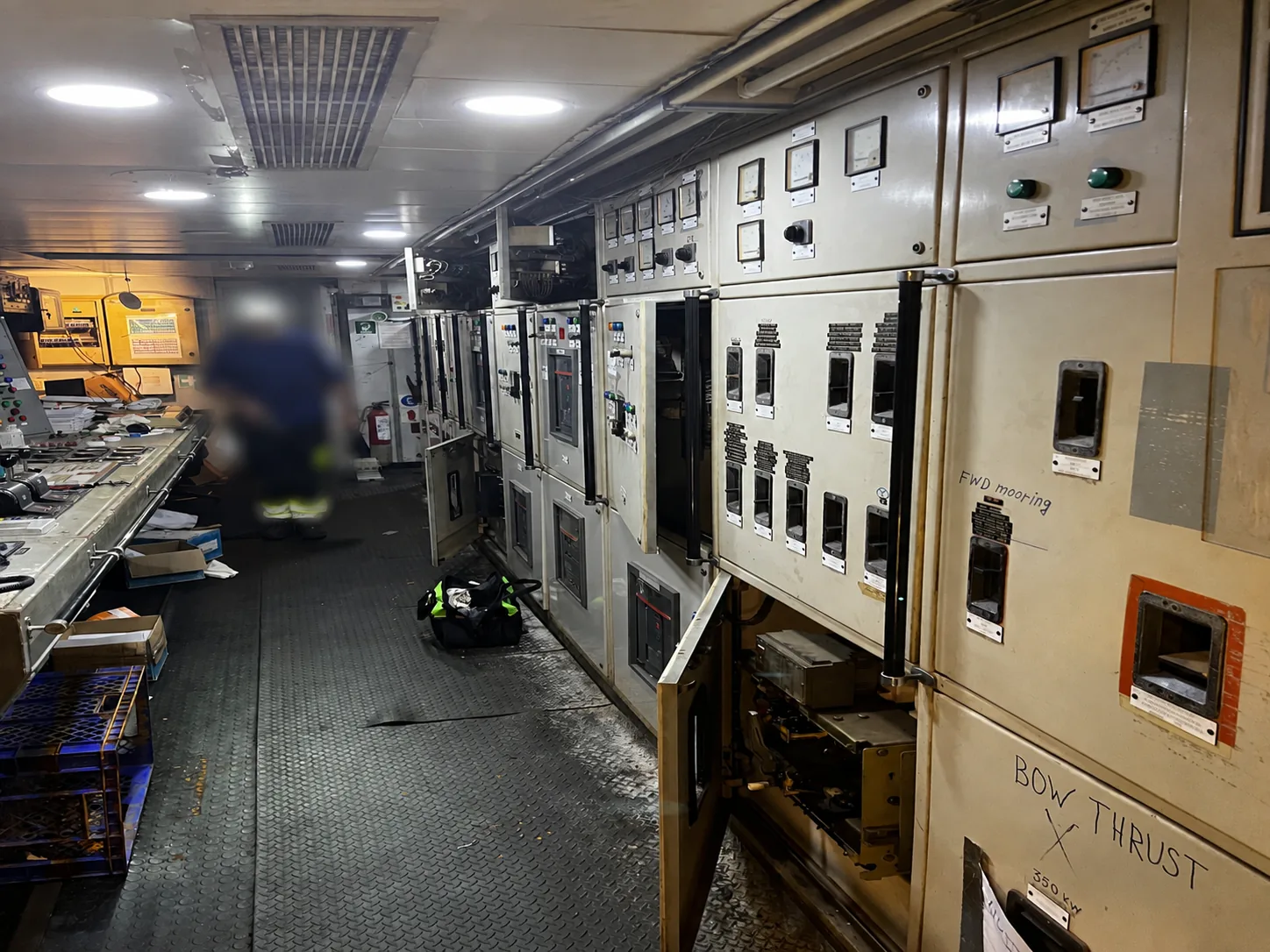
Recuperación con Múltiples Contratistas
Una recuperación compleja involucra contratistas especialistas, técnicos, empresas de servicio, proveedores y múltiples interfaces técnicas.
Esto introduce un segundo problema de ingeniería, además de los propios equipos: las interfaces.
Las dependencias, la asignación de alcances, la secuencia, los accesos, los hallazgos de inspección, la comunicación técnica, las prioridades de trabajo, las dependencias de procura y la verificación debían estar conectadas. TESS proporcionó ingeniería naval y coordinación técnica en todo el proyecto.
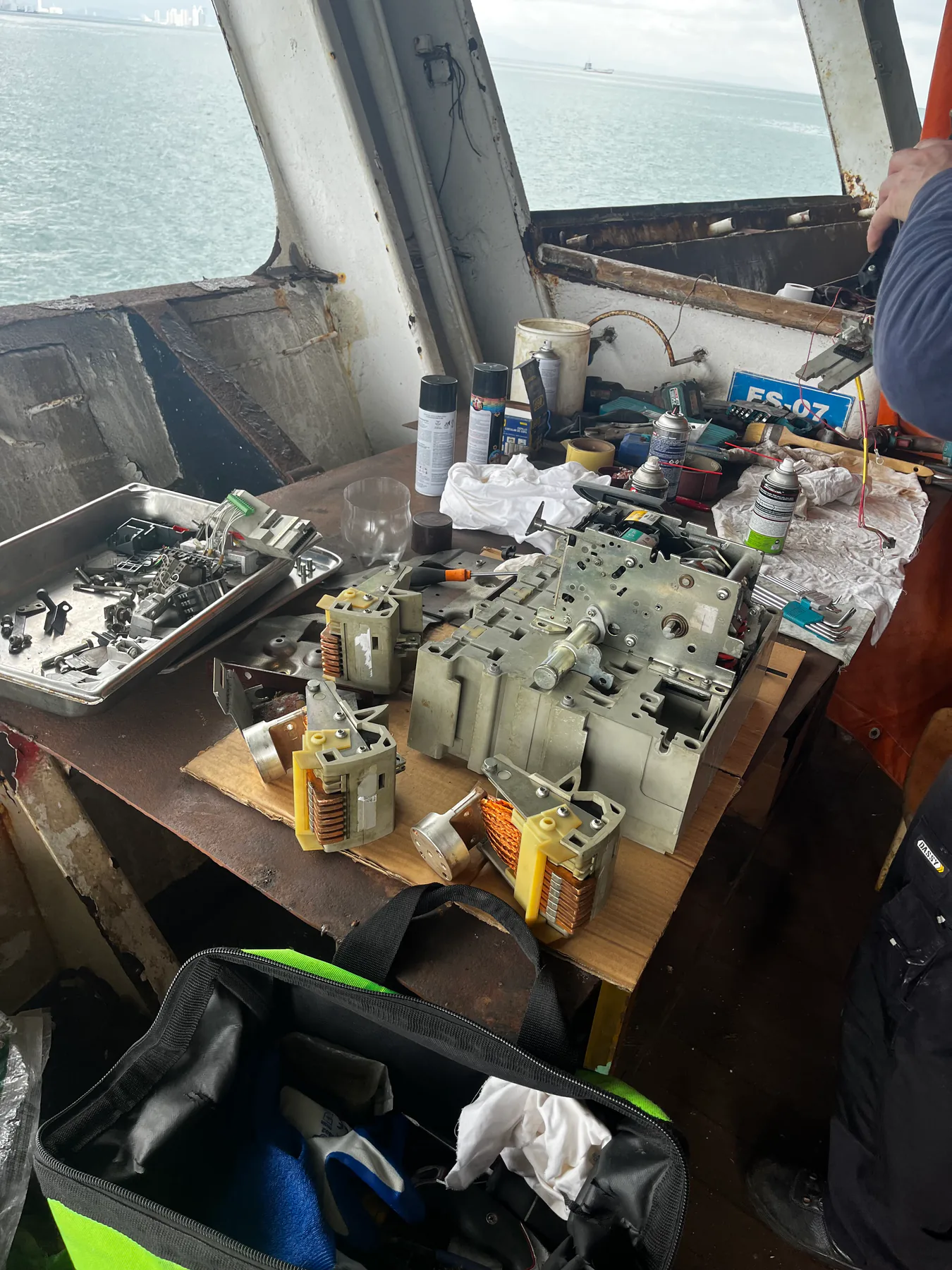
En lugar de que el armador tuviera que gestionar problemas técnicos aislados de múltiples contratistas, el proyecto pudo dirigirse como un único programa de ingeniería en desarrollo.
Desarrollo de la Hoja de Ruta de Recuperación
Un programa de rehabilitación necesita más que una colección de cotizaciones. Debe conectar condición, criticidad, alcance, recursos, procura y ejecución.
TESS conectó la planificación futura de reacondicionamiento y modernización de buques con el desarrollo del alcance técnico y la procura de repuestos y equipos navales, para considerar las dependencias de procura antes de la ejecución.
En un buque con deterioro técnico extenso, el programa completo puede prolongarse durante muchos meses y potencialmente superar un año, según el alcance final confirmado, la condición de los equipos, los plazos de procura, la disponibilidad de especialistas, los requisitos de dique seco, las prioridades del armador y el presupuesto disponible.
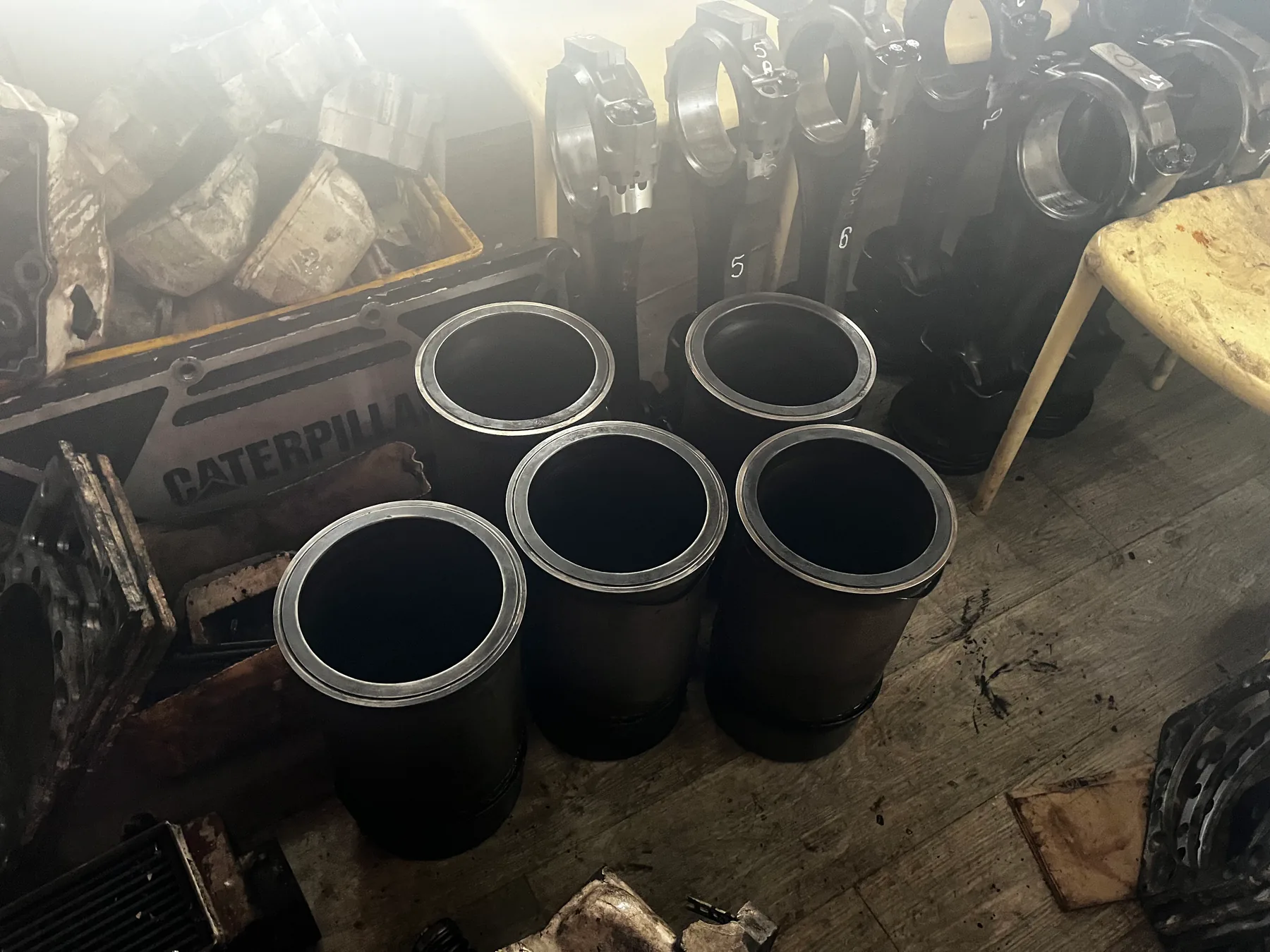
Estrategia de Ejecución
Establecer la condición técnica real del buque.
Atender el riesgo inmediato y la funcionalidad crítica.
Convertir los hallazgos en alcances técnicos estructurados.
Definir prioridades, dependencias, requisitos de procura y fases.
Movilizar los especialistas, equipos, repuestos y contratistas adecuados.
Probar y documentar los trabajos completados dentro del alcance confirmado.
Continuar la rehabilitación según la prioridad técnica, la condición del buque, el presupuesto del armador y los objetivos operacionales.
Alcance de la Participación de TESS
Resultado de la Fase Inicial de Recuperación
El proyecto no concluyó con el buque declarado completamente restaurado ni retornado a la operación comercial normal.
En lugar de una colección incierta de problemas individuales de reparación, el armador contó con una base estructurada para tomar decisiones técnicas, de procura y de presupuesto.
La Recuperación Integral es un Programa, no una Reparación Aislada
Las reparaciones urgentes ejecutadas de forma desconectada pueden resolver un síntoma individual y, al mismo tiempo, crear nuevos problemas técnicos, comerciales o de programación en otras partes del proyecto.
Del control inicial a su continuidad: gestión técnica continua de un buque de pasajeros
El objetivo no es simplemente volver a poner en funcionamiento equipos individuales. Es llevar progresivamente el buque hacia una condición técnicamente coherente.
Qué Demuestra Este Proyecto
TESS puede establecer la realidad técnica, determinar qué requiere atención prioritaria, coordinar a los especialistas adecuados y convertir problemas fragmentados en un programa de recuperación estructurado.
Para el armador, esto significa contar con un punto de coordinación técnica capaz de mirar más allá de cada equipo individual y gestionar el buque como un único proyecto de ingeniería.
Inspeccionar. Evaluar. Priorizar. Estabilizar. Coordinar. Planificar. Ejecutar. Verificar.
Detalles Técnicos
Comience con la información disponible
No se requiere una especificación de reparación completa para la primera conversación. Comparta la información disponible del buque y su situación técnica actual para poder definir los siguientes pasos de evaluación.
Iniciar un Proyecto de Recuperación