Actual condition
Confirm deficiencies, equipment condition and missing information through records, inspection and measurement where required.
PANAMA-BASED · AFLOAT-FIRST · VOYAGE-AWARE PROJECT EXECUTION
TESS plans and coordinates multi-system vessel refit and modernization programmes around the vessel’s actual condition, trading route and available work windows.
From our Panama base, we can prepare the project before arrival, mobilize specialists, equipment and materials, begin suitable work afloat, and coordinate continuation beyond Panama where the scope and vessel operation allow.
The vessel does not always need to stop for the project. The project can be planned around the vessel.
Send the vessel’s condition, location and next planned ports. A finished refit specification is not required for the first review.
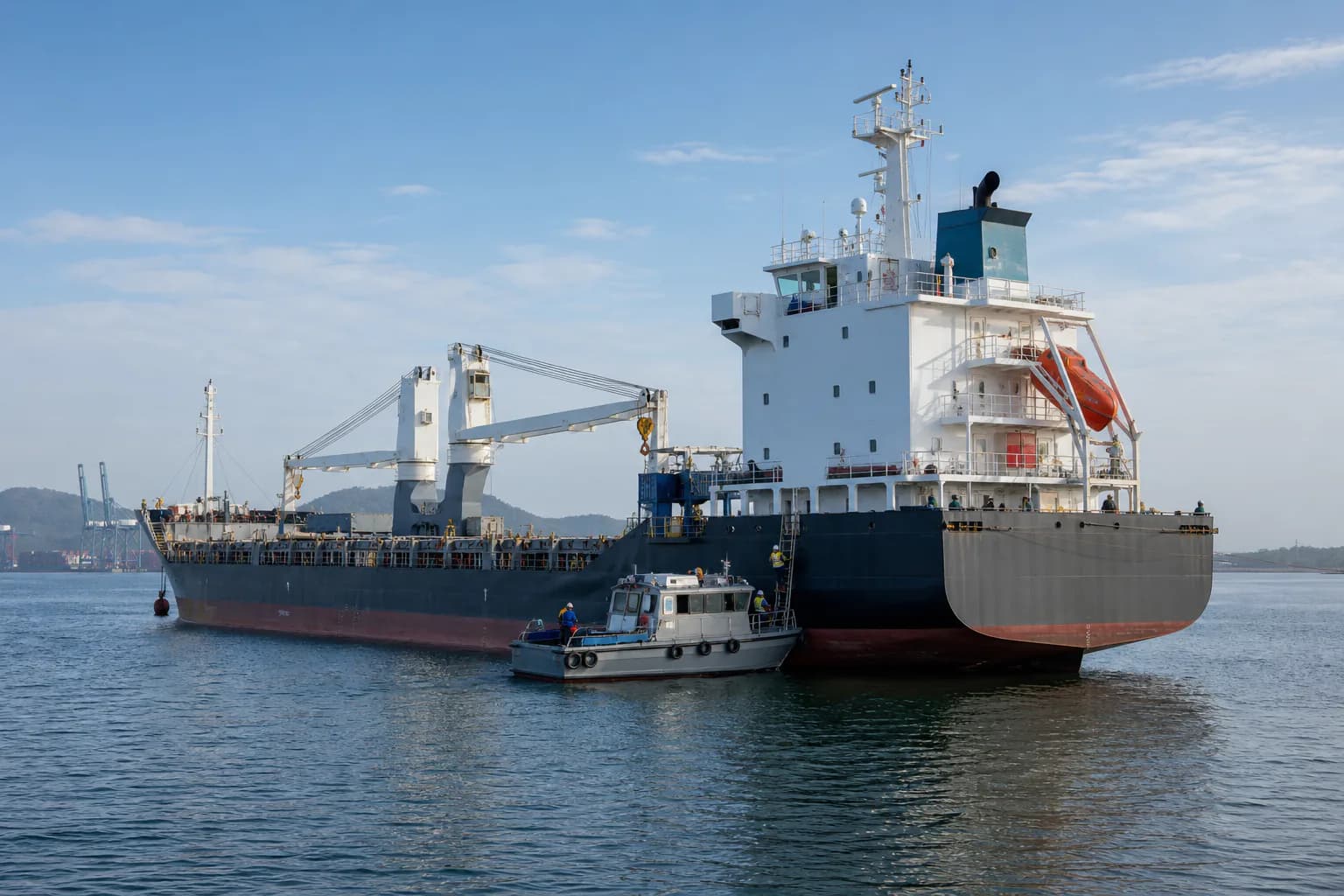
CONDITION BEFORE SCOPE
A broad ship refit in Panama should not begin with assumptions or a disconnected list of quotations. TESS starts by establishing what the vessel actually needs, what matters first and how the work can fit the vessel’s operation.
Available defect lists, photographs, drawings, inspection reports and equipment data are reviewed together with obsolete equipment, known deficiencies and the owner’s operational objectives.
The result is a condition-based upgrade programme: priorities are defined, dependencies are exposed and suitable execution windows can be evaluated before committing the vessel to one location or one work phase.
Confirm deficiencies, equipment condition and missing information through records, inspection and measurement where required.
Separate immediate safety or reliability needs from later modernization and identify which systems or disciplines depend on one another.
Align the programme with the vessel’s role, route, target dates, available work windows and longer-term lifecycle plan.
PANAMA MARITIME TECHNICAL HUB
Panama is the project mobilization and coordination base—not an artificial boundary around the service. One programme can use several legitimate execution windows when the confirmed scope permits.
BEFORE ARRIVAL
Where sufficient technical information is available, engineering review and preparation can start before the vessel reaches Panama.
The objective is to arrive at the vessel with the project already moving.
PANAMA
Depending on schedule, location, permissions, safety and technical scope, Panama can be used to board specialists, confirm the condition, deliver approved materials and begin suitable work.
Panama establishes the next controlled project phase.
NEXT VOYAGE LEG
Suitable controlled work may continue aboard after departure where technically, operationally and legally appropriate and without affecting navigation, required readiness or vessel operations.
Riding-team feasibility is assessed for the vessel and scope; it is never assumed.
NEXT SUITABLE PORT
Remaining specialist attendance, OEM work, equipment delivery, tests, commissioning, handover and technician disembarkation may be aligned with the next appropriate port.
Complete the work at the logical technical point.
One technical programme. Several possible execution windows.
Panama can be the mobilization point without being the project endpoint.
When the vessel’s Canal or port schedule creates a suitable anchorage or waiting window, TESS can evaluate whether that time can be used for productive technical work.
All activity remains subject to vessel condition, access, permissions, safety controls, authority instructions and operational requirements. Work is never planned to interfere with Canal navigation, pilotage or required vessel readiness.
AFLOAT-FIRST DECISION
Some work genuinely requires dry docking. Some work does not. A well-planned refit should identify the difference early.
The planning question is which work must be completed in dry dock, and which suitable work can be removed from the docking critical path.
Dry dock when the scope requires it. Work afloat when it does not.
No specific job is assumed to be suitable afloat until the vessel condition, technical scope, access, permissions and operating constraints have been assessed.
Moving suitable work outside the docking critical path can help protect the vessel’s operational plan without treating dry dock as something to avoid at all costs.
These are planning opportunities, not guaranteed savings. The value depends on the confirmed scope, vessel schedule and conditions at each execution point.
REFIT METHODOLOGY
The sequence remains one coordinated programme even when execution is distributed across more than one location or vessel window.
Establish the vessel’s condition, deficiencies, constraints and available information.
Rank safety, criticality, reliability, obsolescence and owner objectives.
Convert findings into controlled work packages and interfaces.
Develop technical solutions, measurements, sequence and verification requirements.
Coordinate equipment, materials, specialists, logistics and lead times.
Prepare the correct people, tools and approved materials for the chosen window.
Perform and coordinate suitable work across the agreed location or voyage phases.
Verify the confirmed scope, complete documentation and hand over the technical result.
TESS coordinates and integrates the disciplines required by the confirmed programme. Specialist and external resources are incorporated where the scope requires them.
Condition review, repair planning, replacement interfaces and coordinated mechanical execution.
Generation, switchboards, distribution, cabling, loads and energization dependencies.
Control panels, sensors, alarms, interfaces, programming and functional verification.
Routing, isolation, fabrication, installation, flushing and testing requirements.
Hydraulic power, actuators, deck equipment and their electrical or structural interfaces.
Measurements, foundations, supports and permitted preparation or renewal scopes.
Integration points for equipment, power, data, alarms and bridge arrangements.
Controlled integration with vessel safety and fire-protection arrangements where applicable.
MULTI-SYSTEM SEQUENCING
Foundations may be needed before machinery installation; piping before filling and testing; electrical power before energization; hardware before controls finalization; and supporting systems before commissioning.
Sequencing must consider not only what comes first, but also where and during which vessel window each scope should happen.
ROUTE-AWARE PROCUREMENT
The sourcing question is not only what equipment is required. It is also when the item is needed, where it should be delivered and which delivery or specialist attendance controls the next project phase.
Procurement should follow the technical programme and the vessel’s route.
PHASED MODERNIZATION
A vessel modernization programme can be divided into controlled phases and aligned with a Panama call, an anchorage period, a suitable voyage leg, the next port or a future scheduled drydock.
Address conditions affecting safe control and essential vessel readiness.
Restore or upgrade systems that control the vessel’s essential technical capability.
Reduce recurring failures and improve maintainability or redundancy.
Replace unsupported equipment and integrate current technology where justified.
Complete lower-priority improvements when the programme and budget allow.
Phasing keeps the long-term objective visible while allowing each step to match the vessel’s condition, route, budget and confirmed work window.
PROOF OF COORDINATION
The passenger-vessel recovery project demonstrates the assessment-led approach behind a wider refit and modernization programme.
Follow the long-term passenger-vessel rehabilitation programme
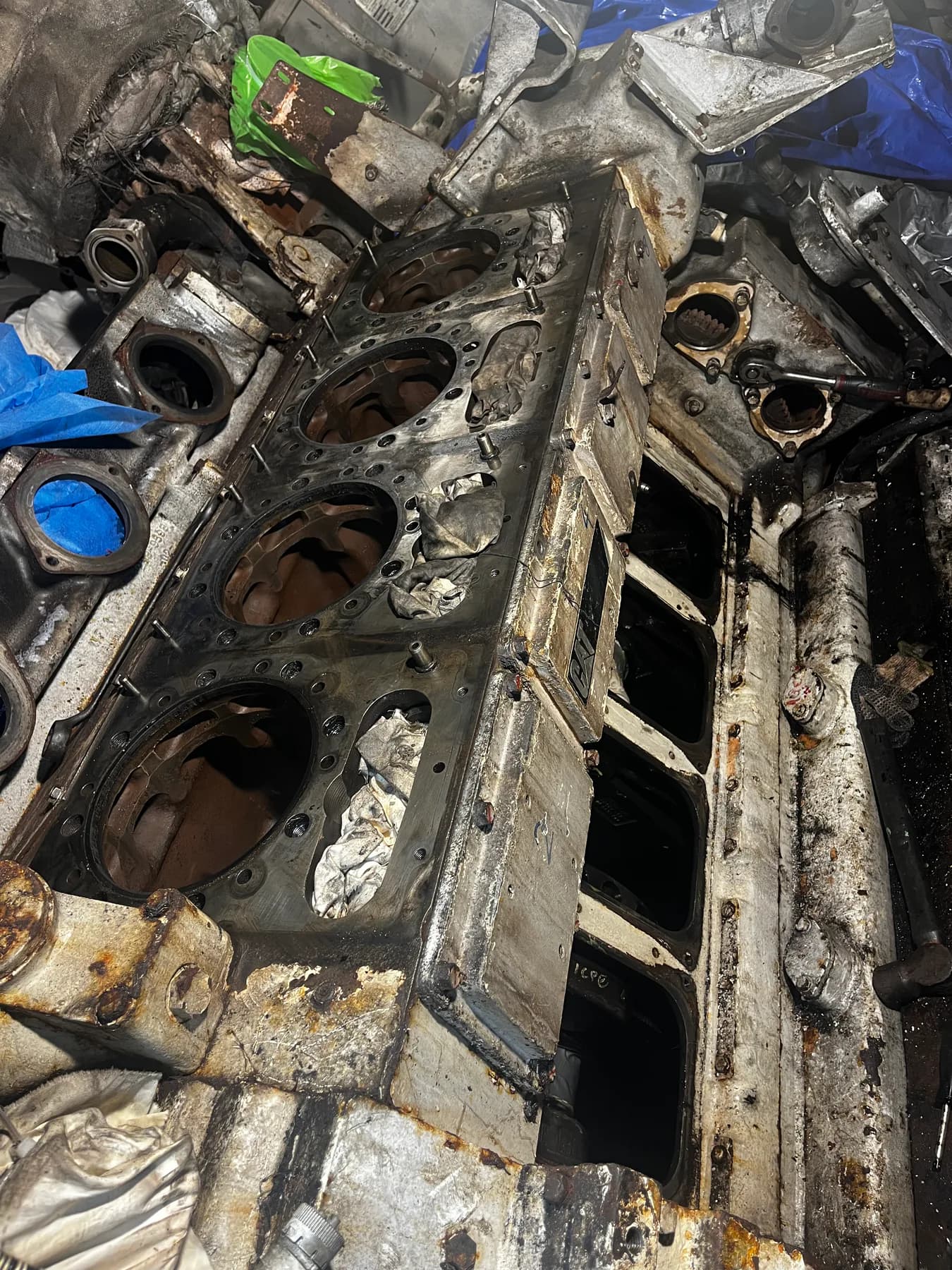
TESS completed a comprehensive assessment, coordinated multiple disciplines, prioritized defects, supported selected essential machinery and systems toward a safer controlled condition afloat, and developed the future recovery roadmap.
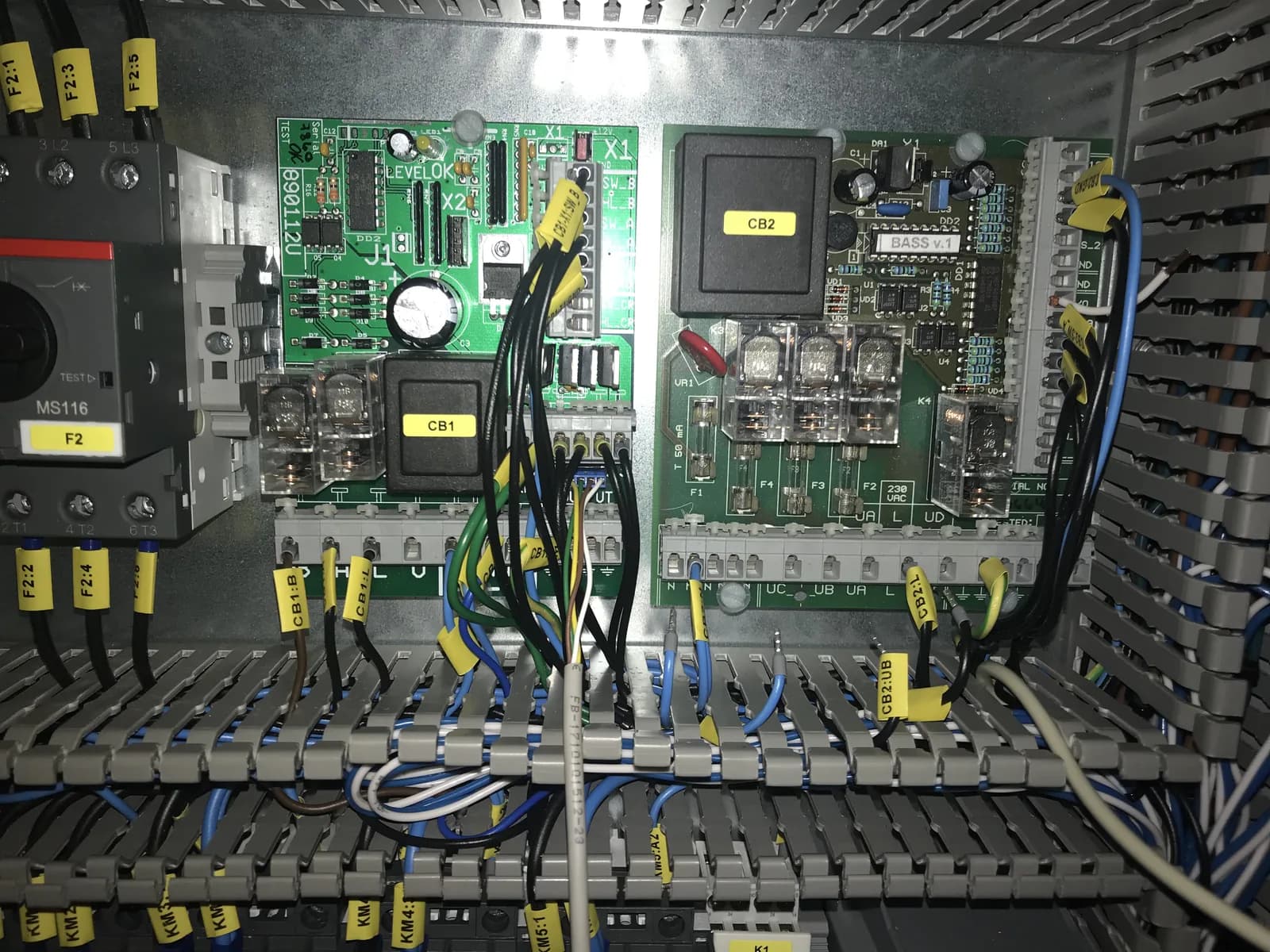
Engineering-led sourcing connects specifications, supplier verification, logistics and delivery with the wider technical programme.
CHOOSE THE RIGHT SERVICE
The three pages address different technical and commercial starting points.
Is electrical or automation lifecycle the main issue? Define that technical work package within the vessel programme: Retrofit & Modernization →
Within the refit programme, Böning automation may need its own assessment of retained equipment, migration and cutover. Böning automation retrofit and modernization →
Use when something has failed and troubleshooting, repair or urgent technical attendance is needed now.
Explore Afloat Ship Repair →Use when one defined equipment or system package must be installed, replaced, integrated and commissioned.
Explore Turnkey Projects →Use when several systems need attention, priorities and dependencies must be defined, or execution should be phased around the vessel’s route.
Discuss a Refit Programme →PROJECT REVIEW
Send the vessel condition, owner objectives and known schedule. TESS can begin by reviewing incomplete information and identifying what is needed to define the programme.
If the vessel is trading, include the next planned ports. TESS can evaluate whether suitable project phases can be coordinated along the route instead of requiring one dedicated repair stop.
Prefer a direct discussion? Contact the Panama-based project team.
No. Some work genuinely requires dry docking and some may be suitable afloat. TESS assesses the confirmed scope, vessel condition, access, permissions and technical constraints to separate dock-dependent work from work that may be completed elsewhere.
Yes, where sufficient information is available. Defect lists, drawings, photographs, equipment data, reports, route information and owner priorities can support early engineering review, sourcing and mobilization planning.
Suitable controlled work may continue with riding specialists where technically, operationally and legally appropriate. Remaining OEM attendance, deliveries, tests or commissioning may also be coordinated at a later suitable port.
No. When a Canal or port schedule creates a suitable anchorage, port or waiting window, TESS can evaluate whether it can be used productively. Work must remain compatible with safety, permissions, authority instructions and required vessel readiness.
Start with the vessel name, condition or known deficiencies, current location, next planned ports, owner objectives and the systems involved. A finished technical specification is not required for the first review.
Yes. TESS can coordinate and integrate specialist contractors, suppliers and OEM attendance where the confirmed programme requires them, while keeping dependencies and technical interfaces within one project structure.
PANAMA-BASED · VOYAGE-AWARE
Share the vessel’s condition, route and operational priorities. TESS will review how the programme can be prepared, mobilized from Panama and completed through the most logical technical sequence.
The objective is not to avoid dry dock. It is to avoid using dry dock for work that does not need to be there.