COMMERCIAL VESSELS · FISHING VESSELS · YACHTS 20 M+ · PANAMA

Marine HVAC Service & Repair in Panama

TESS provides marine HVAC troubleshooting, repair, retrofit and complete system installation for commercial and passenger vessels, fishing vessels, large yachts and superyachts—covering chillers, chilled-water systems, air conditioning, ventilation and controls from Panama, with regional mobilization for confirmed projects.

In Panama's tropical heat and humidity, reliable marine HVAC is an operational requirement for onboard habitability, crew welfare, guest comfort and the protection of temperature-sensitive technical spaces.

  • Chillers
  • Chilled Water
  • AHU / FCU
  • Ventilation
  • Controls
  • Retrofit
Marine HVAC technician inspecting chiller and chilled-water equipment in a commercial vessel technical space

VESSELS & MARKETS SERVED

Marine HVAC for Commercial Vessels, Fishing Vessels & Yachts

TESS remains centered on professional vessel operations. The technical route changes with vessel duty, accommodation load, installed plant, access, schedule and the consequences of degraded cooling or ventilation.

Commercial Vessels

HVAC support for cargo vessels, container ships, bulk carriers, tankers, Ro-Ro vessels, tugs, workboats and offshore or support vessels. Scope may involve accommodation cooling, chilled-water plant, air distribution, ventilation, technical spaces, controls and modernization.

  • Accommodation HVAC
  • Chilled-water systems
  • Technical-space ventilation
  • Controls and modernization

Passenger Vessels

Passenger ships, cruise vessels and ferries place sustained demand on accommodation cooling, public spaces, crew areas and multi-zone control. TESS can assess chillers, AHUs, FCUs, ventilation and reactivation or modernization requirements within the broader vessel programme.

  • High accommodation load
  • AHUs and FCUs
  • Multi-zone control
  • Reactivation and modernization

Fishing Vessels & Refrigerated Fleet

TESS supports bridge, crew-accommodation and technical-space HVAC on fishing vessels, trawlers, freezer vessels and relevant reefer vessels. Where the symptom interfaces with provision refrigeration, fish holds, freezer rooms or refrigerated cargo, the broader TESS HVAC and refrigeration capability can coordinate the related scope.

  • Bridge and accommodation HVAC
  • Machinery-space ventilation
  • Controls and chilled water
  • Refrigeration interfaces

Large Yachts & Superyachts — 20 m+

Professional HVAC service for motor yachts and sailing yachts of approximately 20 m and above, including central chilled-water plant, chillers, AHUs, fan-coil units, ventilation, controls, equipment replacement, retrofit, complete installation and commissioning.

  • Motor and sailing yachts
  • Central chilled-water HVAC
  • Equipment replacement and retrofit
  • Complete installation and commissioning

For the broader thermal-system scope, explore our marine HVAC and refrigeration services.

For cold rooms, freezers, provisions, fish holds and refrigeration plant, use Marine Refrigeration Repair.

START WITH THE SYMPTOM

Marine HVAC Problems That Need More Than a Parts Swap

The same symptom can have several causes. Insufficient cooling may reflect reduced water flow, heat-transfer loss, airflow restriction, valve position, sensor error, staging logic, vessel load or several interacting faults. TESS assesses the system before defining the intervention.

  • Insufficient or uneven cooling
  • High chilled-water supply temperature
  • Reduced airflow or weak cabin delivery
  • AHU or fan-coil performance loss
  • Pump, circulation or valve problems
  • Repeated alarms and control instability
  • Condensation or drain problems
  • Ventilation imbalance
  • High technical-space temperatures
  • Recurring failure after earlier repairs
  • Obsolete controls or unsupported equipment
  • Capacity loss under actual vessel load

SYSTEM-LEVEL SUPPORT

Marine HVAC Systems We Support

Marine HVAC performance depends on connected cooling-plant, air-side, ventilation and control systems. TESS reviews the operating chain and the interfaces between them instead of treating every alarm as an isolated equipment fault.

Marine chiller, circulation pumps and insulated chilled-water piping in a vessel machinery space

Cooling Plant

  • Chillers
  • Chilled-water circulation
  • Pumps and valves
  • Strainers
  • Heat-transfer interfaces
  • Balancing components

Air Side

  • AHUs
  • Fan-coil units
  • Cooling coils
  • Fans and filters
  • Drains
  • Ducting, dampers and diffusers

Ventilation

  • Supply air
  • Extraction
  • Accommodation ventilation
  • Bridge and crew spaces
  • Technical-space ventilation
  • Machinery-space interfaces

Controls

  • Sensors and thermostats
  • Controllers
  • Actuators
  • Alarms and interlocks
  • Control panels
  • System interfaces

COOLING-PLANT PERFORMANCE

Marine Chillers & Chilled-Water Systems

A marine chilled-water plant has to be assessed as a complete operating loop. Supply and return temperatures only become useful when read with circulation, pump condition, valve position, strainer condition, condenser-side heat rejection, evaporator-side performance, staging, vessel load and the control sequence.

A chiller that runs continuously may still deliver insufficient capacity. Fouling, reduced water flow, an incorrect control input, poor load sharing, a valve that does not travel correctly or degraded heat transfer can produce similar onboard symptoms. TESS uses measured condition and system context to isolate the credible causes before recommending repair or replacement.

Where the plant is obsolete, unsupported or no longer matched to the vessel's duty, the next step may be a planned chiller replacement or chilled-water retrofit. That decision includes available space, foundations, piping interfaces, pump duty, controls, electrical supply, access and commissioning—not only the nominal equipment capacity.

  • Supply and return water temperatures
  • Circulation and pump performance
  • Valves, strainers and balancing
  • Condenser and evaporator condition
  • Staging, load and control sequence
  • Repair, replacement and retrofit decisions

FROM COIL TO CONDITIONED SPACE

AHUs, Fan-Coil Units & Air Distribution

Air-handling units and fan-coil units translate cooling-plant capacity into usable conditions onboard. Coil condition, filter loading, fan performance, dampers, actuators, drains, temperature control and duct restrictions all affect the delivered result. Cleaning one component will not correct a wider airflow or control problem.

TESS can review AHU and FCU condition, temperature change, airflow restriction, fan and motor performance, condensate drainage, control response and the distribution path. Work may involve cleaning, repair, balancing, component replacement or renewal of equipment that is no longer maintainable.

On large yachts and passenger vessels, the same system may serve guest or public spaces, owner areas, cabins, crew accommodation, saloons, bridge spaces and technical rooms. The objective is stable performance across the vessel, not lifestyle presentation or a single cold outlet.

SUPPLY, EXTRACTION AND BALANCE

Marine Ventilation & Exhaust Systems

Ventilation performance depends on the complete air path: intakes, fans, ducting, dampers, filters, outlets, extraction points and controls. Reduced airflow, unbalanced supply and exhaust, failed dampers or control faults can affect accommodation, bridge, galley interfaces, crew spaces and temperature-sensitive technical areas.

For fishing vessels and trawlers, relevant scope may include wheelhouse and bridge cooling, accommodation supply, extraction and machinery or technical-space ventilation. For commercial, passenger and yacht applications, TESS defines the affected zones and operating requirement before selecting repair, balancing, modification or equipment replacement.

THE FAULT MAY BE BETWEEN COMPONENTS

Controls, Sensors, Pumps & HVAC Automation

Marine HVAC faults are often interface problems rather than the failure of one major component. A temperature sensor, flow-proving signal, actuator, control valve, thermostat, pump, alarm input or interlock may prevent otherwise serviceable equipment from operating as intended.

TESS reviews signals and physical response together: whether sensors represent actual condition, actuators travel, valves regulate, pumps establish circulation, controllers call for the correct stage and alarms correspond to a verified fault. Obsolete control components are assessed within the installed architecture before a replacement or modernization route is defined.

ENGINEERING TROUBLESHOOTING

Diagnose the System Before Replacing Equipment

TESS begins with the actual symptom, installed system and operating history. The objective is to define a defensible technical path—not to replace a high-value component because it appears nearest to the alarm.

  1. 01

    Inspect

    Review equipment, nameplates, condition, drawings, alarms, service records and earlier repair attempts.

  2. 02

    Measure

    Record relevant temperatures, electrical condition, chilled-water flow indicators, airflow and other safe operating data.

  3. 03

    Isolate

    Separate cooling-plant, distribution, air-side, ventilation and control causes without assuming one symptom has one cause.

  4. 04

    Verify

    Check the suspected fault against physical response, controls, pumps, valves, vessel load and available manufacturer information.

  5. 05

    Define

    Set the practical repair, component replacement, retrofit or complete renewal scope and its acceptance criteria.

Useful inputs include symptoms, operating history, alarms, temperatures, electrical condition, chilled-water flow, airflow, equipment condition, controls, pumps, valves, vessel load, manufacturer and model, drawings, manuals and previous reports. Perfect documentation is not required before first contact.

CONDITION-BASED INTERVENTION

Repair, Service & Component Replacement

Once the fault path is defined, TESS can establish the work that is technically applicable to the installed system and the vessel's service window. The route may be a focused repair, a group of connected component renewals or preparation for a larger project.

  • Coil and filter cleaning
  • Fan or motor repair and replacement
  • Pump repair or replacement
  • Valve and actuator renewal
  • Sensor and control-component replacement
  • Drain and insulation restoration
  • Relevant piping repair
  • Component refurbishment
  • Equipment replacement
  • Functional testing after intervention

RUNNING DOES NOT MEAN PERFORMING

Restore HVAC Performance Across the Vessel

A system can remain in operation while delivering poor temperature distribution, weak airflow, unstable chilled-water conditions or uneven zone performance. Restoring one component without reviewing distribution and controls may leave the vessel with the original operational complaint.

TESS can include temperature distribution, chilled-water distribution, airflow balance, AHU and FCU performance, pump and valve operation, controls, equipment loading and commissioning checks in the agreed verification route. For passenger vessels and large yachts, this supports habitability, crew welfare, guest comfort and technical-space temperature stability without treating HVAC as a luxury-only amenity.

  • Temperature distribution
  • Chilled-water distribution
  • Airflow and zone balance
  • AHU and FCU output
  • Pump and valve response
  • Controls and equipment loading
  • Commissioning observations

WHEN LOCAL REPAIR IS NO LONGER ENOUGH

Marine HVAC Retrofit & Modernization

Obsolete chillers, unsupported controls, aging fan-coil units, degraded AHUs, changed vessel loads and repeated component failures can move the decision beyond local repair. TESS defines retrofit around the operating requirement and the interfaces that must change with the equipment.

A modernization scope may include chilled-water plant renewal, AHU or FCU replacement, ventilation modification, pump and valve renewal, control-system replacement, piping or duct changes, electrical integration, equipment supply, testing and commissioning. Large projects can be integrated through TESS's turnkey, refit, dry-dock and owner-side engineering capabilities.

REAL MARINE HVAC EXPERIENCE

Marine HVAC Experience Across Different Vessel Requirements

New installation, existing-system recovery and onboard troubleshooting require different evidence and different technical routes. TESS starts with vessel condition, installed systems, operational need and project constraints.

Technical machinery space aboard the 115 ft sailing yacht completed under TESS project leadership

Complete HVAC Installation — 115 ft Sailing Yacht

For the publicly documented S/Y Melody project, TESS's real HVAC scope covered supplier and technical selection, project coordination, complete HVAC installation, equipment integration, testing, commissioning, class acceptance and owner handover. It demonstrates a complete project path rather than a minor air-conditioning repair.

A complete HVAC project from supplier selection through installation, commissioning and final handover.
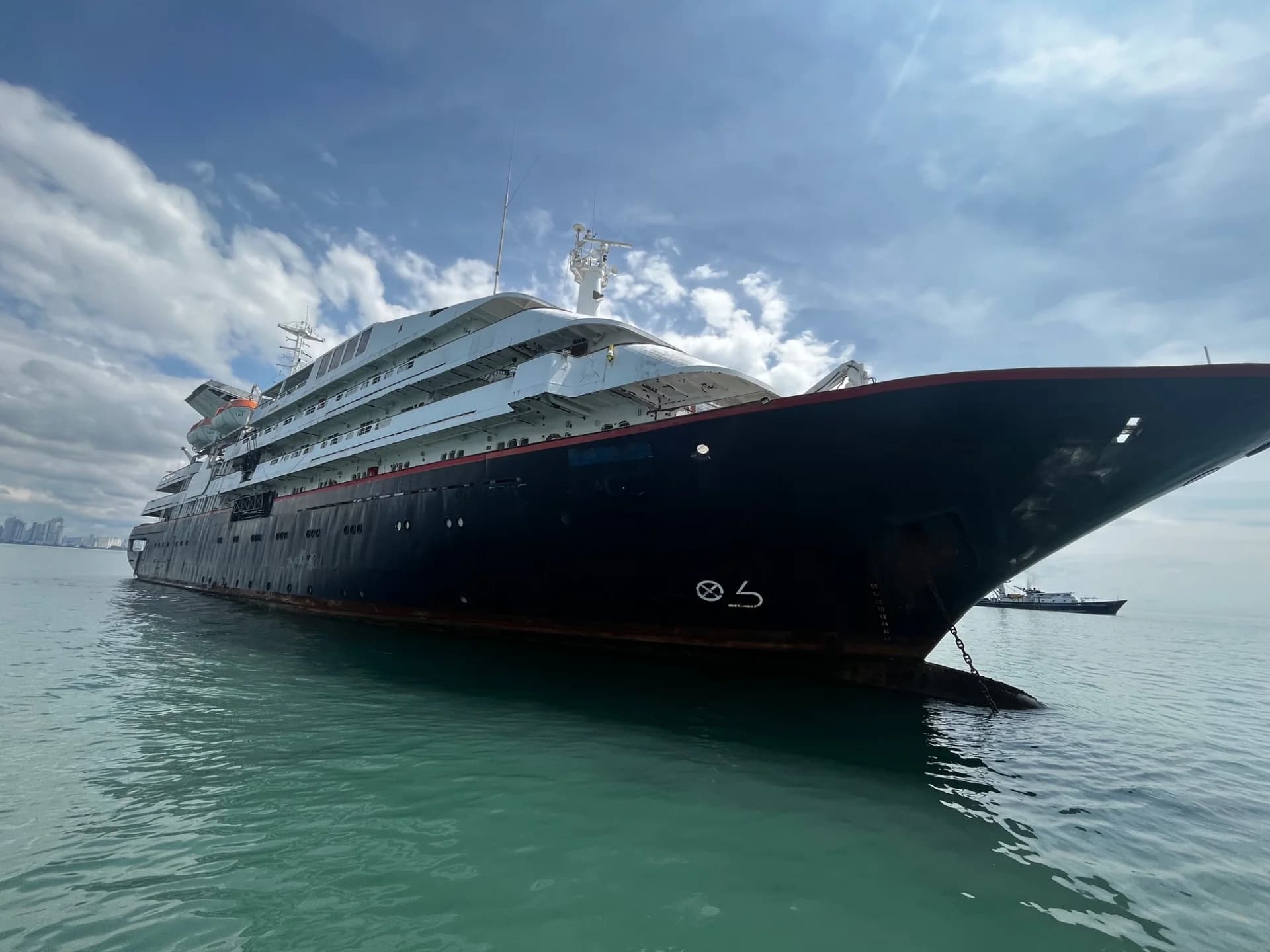
Passenger vessel undergoing the wider technical recovery programme in Panama

Passenger Vessel HVAC Inspection & Reactivation — Panama

As part of a wider passenger-vessel recovery programme in Panama, TESS inspected HVAC systems and equipment from multiple manufacturers after more than three years out of operation. Systems were progressively checked and restarted, selected deficiencies were repaired, and operating equipment was tested as part of the broader technical recovery programme.

View Passenger Vessel Recovery Case Study

Different vessel. Different technical path. TESS defines whether the right route is a new installation, existing-system recovery, onboard troubleshooting or a larger modernization programme.

MARINE HVAC EQUIPMENT

PSYCTOTHERM Marine HVAC Equipment in Panama

PSYCTOTHERM — Represented in Panama by TESS

PSYCTOTHERM equipment can be considered for relevant marine chiller, AHU, air-conditioning, coil, replacement, new-equipment and retrofit requirements. TESS reviews duty, dimensions, onboard interfaces, controls, access and the complete project scope before equipment is selected.

Discuss PSYCTOTHERM Equipment

INSTALLED SYSTEM FIRST

Multi-Brand Marine HVAC Support

TESS's representation of PSYCTOTHERM does not limit TESS technical capability to PSYCTOTHERM equipment. Existing marine HVAC equipment from other manufacturers can also be assessed and supported according to the installed system, technical condition, documentation, spare-parts availability and required scope.

The passenger-vessel recovery involved equipment from multiple manufacturers. That project evidence does not imply universal authorization for every brand.

PANAMA MARITIME HUB

Marine HVAC Attendance in Panama

TESS plans marine HVAC attendance from Panama for commercial, passenger and fishing vessels and yachts 20 m+. Depending on the confirmed location, access and scope, the operating context may be Balboa and the Pacific side, Pacific anchorage, Cristóbal or Colón and the Atlantic side, Atlantic anchorage, alongside, shipyard, dry dock or a planned port call.

Attendance, launch or berth access, personnel, equipment, parts and timing remain subject to confirmation. TESS does not promise a fixed attendance time or that every repair can be completed during one transit window. Regional mobilization may be reviewed when the project scope and logistics support it.

  • Balboa · Pacific
  • Cristóbal / Colón · Atlantic
  • Anchorage or alongside where confirmed
  • Shipyard or dry dock
  • Planned Panama call
  • Regional mobilization by confirmed scope

PLAN AROUND THE VESSEL

Use the Panama Call as a Technical Window

Before Arrival

Send vessel details, ETA, symptoms, manufacturer, model, nameplate photographs, alarms, manuals, drawings and earlier reports where available.

During the Call

Where confirmed and practical, TESS can attend, inspect, measure, diagnose, complete component work, make practical repairs, deliver equipment or parts and confirm the next scope.

After Panama

Where more work is required, define further repairs, retrofit, procurement, planned continuation, regional mobilization or possible next-port attendance.

The purpose is to use the available call intelligently. It is not a promise that an unknown or major HVAC scope will be completed during one Canal transit.

WHEN THE SCOPE EXPANDS

When HVAC Repair Becomes a Larger Vessel Project

Complete chiller replacement, chilled-water piping renewal, major pump and valve work, large ducting changes, new foundations, electrical modifications, control modernization, accommodation interfaces, yacht HVAC refit, passenger-vessel modernization, class interfaces and a commissioning programme can require several disciplines under one technical plan.

WHAT TO SEND

Send the Symptoms Before the Vessel Arrives

Start with the vessel, current location, service window, affected system and operational symptoms. TESS can identify what additional information is needed; a perfect technical package is not a condition for first contact.

Minimum for a useful first review

  • Vessel name and type
  • Current location
  • ETA or service window
  • System affected
  • Problem and symptoms
  • Contact details

Helpful where available

  • LOA and IMO
  • Manufacturer, model and refrigerant
  • Nameplate and alarm photographs
  • Temperatures or readings
  • Manuals, drawings and P&ID
  • Service history and previous reports

SPECIALIST MARINE HVAC RFQ

Send the Marine HVAC Service Request

Required fields capture the contact, vessel, location, requested HVAC service and symptoms. Vessel type, LOA, schedule, equipment details and attachments remain optional. Selecting a yacht or fishing-vessel type reveals only a small set of relevant optional qualification fields.

Attachments can include nameplates, alarm screens, control-panel photos, chiller, AHU or FCU photos, manuals, drawings, P&ID and previous service reports.

Example: 34.5 m / 113 ft
Send equipment nameplates, alarm or control-panel screens, chiller, AHU or FCU photos, manuals, drawings, P&ID or earlier service reports. Up to 5 PDF, JPG, PNG, WebP, DOCX or XLSX files; 5 MB per file and 10 MB total.

COMMERCIAL QUESTIONS

Marine HVAC Service & Repair FAQ

Can TESS attend marine HVAC problems during a Panama call?

Yes, subject to technical review, vessel location, access, timing, personnel, equipment and parts. Pre-arrival symptoms, nameplates, photos and ETA help define what can realistically be inspected, repaired or prepared during the call.

What HVAC systems does TESS service on commercial vessels?

TESS supports marine chillers, chilled-water circulation, pumps, valves, AHUs, fan-coil units, air distribution, ventilation, sensors, controls and connected interfaces on professional commercial vessels.

Does TESS provide HVAC service for fishing vessels and trawlers?

Yes. Relevant scope includes bridge HVAC, crew and accommodation cooling, technical-space HVAC and ventilation. Where provision refrigeration, fish holds, freezer rooms or cargo refrigeration are also involved, TESS's broader marine HVAC and refrigeration services can coordinate the related scope.

Does TESS provide HVAC service for large yachts and superyachts in Panama?

Yes. TESS focuses on professional large yachts and superyachts of approximately 20 m and above, including motor and sailing yachts. Scope can include troubleshooting, chillers, chilled water, AHUs, FCUs, ventilation, controls, retrofit, equipment replacement, complete installation and commissioning.

Can TESS troubleshoot marine chillers and chilled-water systems?

Yes. TESS can review water temperatures, circulation, pumps, valves, strainers, heat-transfer condition, staging, load and control sequence to define the credible repair, replacement or retrofit route.

Can TESS service AHUs, fan-coil units and ventilation systems?

Yes. Work can cover coils, fans, filters, drains, dampers, actuators, controls, air distribution, supply and extraction, balancing, repair and component replacement according to the installed system.

Can TESS replace or modernize a complete yacht HVAC system?

Potentially, after technical definition. TESS's real 115 ft sailing-yacht experience includes supplier and technical selection, complete HVAC installation, integration, testing, commissioning, class acceptance and owner handover.

Does TESS support HVAC equipment from brands other than PSYCTOTHERM?

Yes. PSYCTOTHERM is represented in Panama by TESS, while other installed marine HVAC equipment can be assessed according to system condition, documentation, parts availability and scope. This does not imply universal manufacturer authorization.

What information should we send before HVAC attendance?

Send the vessel, type, location, ETA or service window, system affected and symptoms. LOA, IMO, manufacturer, model, refrigerant, nameplates, alarms, photos, drawings, manuals and previous reports are helpful where available.

Can HVAC repair be integrated into a larger refit, dry-dock or turnkey project?

Yes. Where equipment replacement affects foundations, piping, ducting, electrical systems, controls, accommodation, class or commissioning, TESS can connect the HVAC scope to the appropriate turnkey, refit, dry-dock or engineering programme.

FROM FAILED SYSTEM TO DEFINED TECHNICAL PATH

Send the Vessel, the HVAC System and the Symptom

From troubleshooting a failed system, to reactivating complex existing HVAC, to delivering a complete new installation, TESS can define and execute the right technical path from Panama.

Or contact TESS by phone, email or WhatsApp using the established channels below.