Architecture & interfaces
Function, maker/model and available revisions; PLC, HMI, I/O, drives, relays, power supplies and networks; sensors, actuators, signals and machinery dependencies.
PANAMA · EXISTING VESSELS · ELECTRICAL & AUTOMATION LIFECYCLE
Obsolete PLCs, unsupported monitoring systems, discontinued drives, ageing control panels or electrical equipment with no practical spare-parts path? TESS can survey the installed system in Panama, document the interfaces and develop a controlled retrofit or modernization route before equipment is selected or the vessel enters a planned repair window.
Keep what is serviceable. Replace what has reached its lifecycle limit. Engineer the interfaces before cutover.
Send the system or equipment, maker/model if known, photos or drawings available, vessel location and intended project window. A complete specification is not required for the first review.
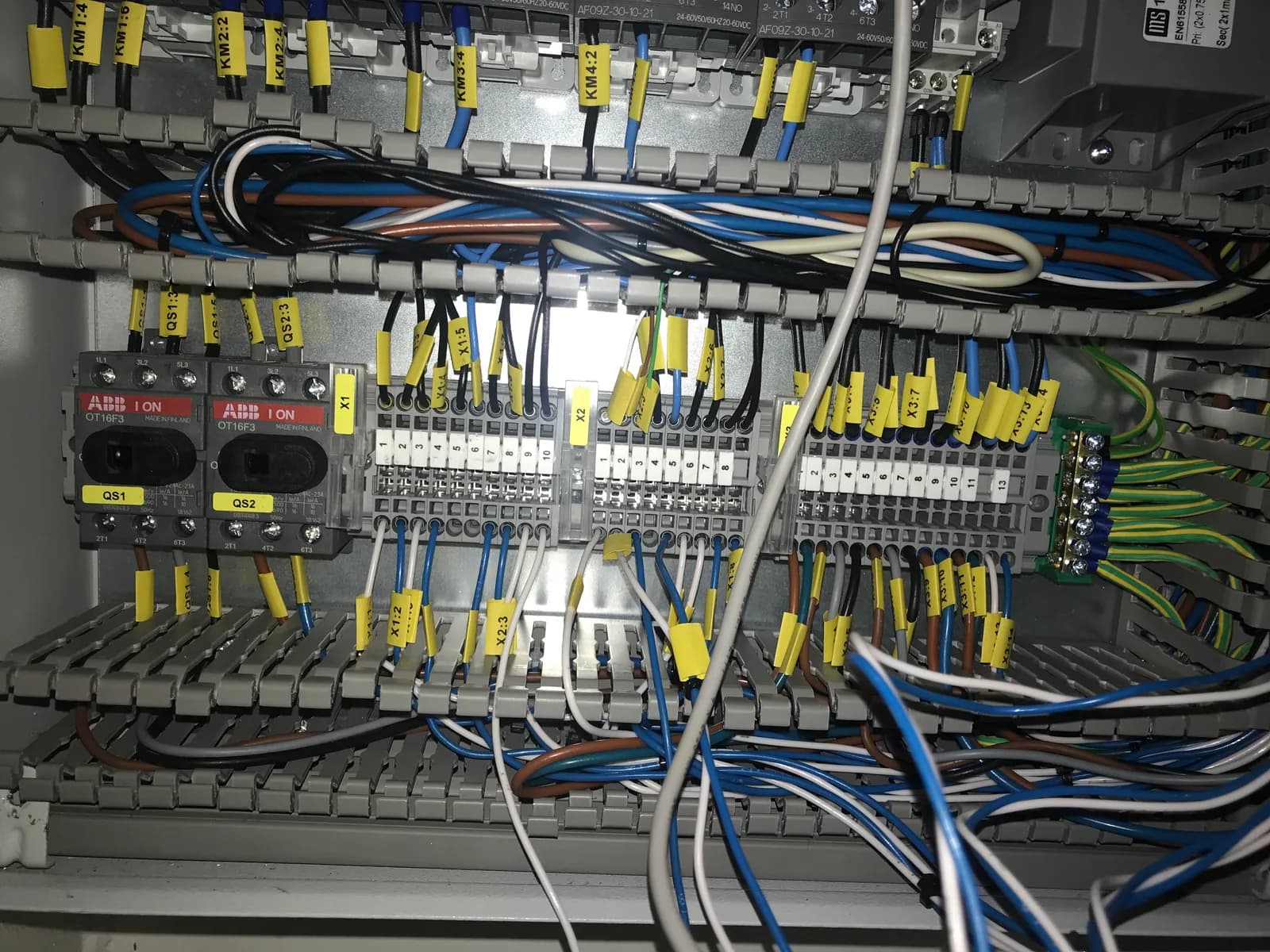
First establish the installed architecture and lifecycle bottleneck. Determine what can remain, what must change and how the existing vessel will connect to the target system. Planned lifecycle work starts with these decisions.
The trigger is often supportability rather than one failed component. Unsupported operating systems, mixed hardware generations and poor records can turn a future repair into a project.
A practical TESS decision model: choose the intervention justified by the installed condition and intended service life. These are planning categories, not universal industry definitions.
Restore the current design and function.
Preserve backups, documentation, critical spares and a lifecycle strategy.
Improve a weak layer while retaining most of the architecture.
Move an unsupported platform onto a current architecture.
Renew architecture, integration, maintainability and supportability through a planned project.
Modernization begins with the actual vessel configuration, not only the original drawings. An onboard survey can establish the engineering basis before replacement equipment is selected.
Function, maker/model and available revisions; PLC, HMI, I/O, drives, relays, power supplies and networks; sensors, actuators, signals and machinery dependencies.
Cabinets, terminals, wiring, available space, cable routes, cooling, environment, physical access and hazardous-area context where relevant.
Drawings, manuals, I/O and alarm lists, legally available software/project files, backups and spare-parts records.
Operational criticality, shutdown window, Panama call, dry-dock timing, OEM dependencies, Class impact and FAT/SAT or commissioning needs.
Send what you have. These are possible survey topics, not documents required before first contact.
Modernization does not automatically mean replacing every sensor, cable, cabinet or field device. Establish the weak layer and engineer the boundary between retained and new equipment.
Record the actual installed architecture, condition, operating logic and dependencies.
Potentially sensors, actuators, motors, cabling, cabinets, terminals, switchgear and selected power supplies — after verification.
Unsupported PLC/HMI, I/O, drives, relays, monitoring hardware, network interfaces or protection/control layers.
Define compatible retained equipment, replacement layers and engineered interfaces.
Execute an agreed scope with controlled transition and recorded acceptance criteria.
Use a dedicated specialist for the technical system or fault. Use this modernization assessment when lifecycle, architecture change, interface engineering, staged cutover or project execution is the main requirement — even for one system.
Controller, CPU, software/project, remote I/O, PLC networks and platform-specific migration. A wider architecture change involving cabinets, machinery, monitoring or several controllers can become a modernization project.
PLC / HMI specialist support →Breakers, feeders, busbars, protection, distribution and switchboard-specific modernization. Wider electrical lifecycle architecture can be assessed here.
Switchboards & power distribution →Drive replacement, starters, motor compatibility, feedback, parameters and control modes stay with the drive specialist. The number of drives alone does not define a modernization project.
VFDs, drives & motors →Sequences, permissives, interlocks, local/remote commands, feedback and machine-specific controllers. Relay-to-PLC or panel renewal may need lifecycle engineering and controlled sequence migration.
Machinery control & automation →Signal, sensor, transmitter, annunciator and monitoring diagnosis stays with the specialist. Planned AMS migration with unsupported alarm cards, remote I/O or platform renewal can require project-level modernization.
Alarm & monitoring systems →Unexplained failures, intermittent faults or machinery that will not start need fault isolation first. Planned modernization follows when the lifecycle evidence justifies it.
Rapid electrical troubleshooting →A single system may need major interface engineering, OEM/Class coordination, rebuilt documentation or vessel-wide operational planning. Multiple identical replacements may remain system-specific work.
The replacement component is only one part of the retrofit. It must interact correctly with existing power, signals, machinery, networks and operating logic.
Where the system remains viable, preserve backups and documentation and secure critical spares.
Replace a lifecycle bottleneck such as the HMI, I/O, power supply, protection relay or drive layer.
Replace a controller/HMI/I/O or another platform while retaining technically compatible parts of the vessel installation.
Renew substantial architecture where partial retention is impractical or technically inappropriate.
Sensors, actuators, starters, protection devices and operating logic.
Power, signals, communication and machinery dependencies.
Controller, HMI, I/O, drive or monitoring platform.
Interfaces to review for the installed system: dry contacts, analog/digital signals, 4–20 mA, RTDs, pulse/frequency, 24 VDC, 110 VAC / 220 VAC control; serial communication, Modbus, PROFIBUS, PROFINET, CAN, Ethernet and proprietary protocols. Compatibility and access tools are confirmed case by case.
Not every system supports every option. The feasible path depends on compatibility, safety, lifecycle support and applicable approval requirements.
This assessment remains vendor-neutral. For legacy Böning systems or migration toward a suitable Böning architecture, use the dedicated project route. Böning automation retrofit and modernization →
A short call can establish useful project data. Major modernization normally needs a separately planned engineering, procurement and execution window. The possible survey scope depends on access and vessel operations.
Identify equipment, photograph nameplates, review available drawings and collect basic lifecycle information.
Review cabinets and interfaces, inspect accessible terminals/wiring, review backups and discuss initial feasibility.
Deeper tracing, interface mapping, equipment inventory, scope development and OEM discussions where access allows.
Engineering, procurement, software/panel preparation, FAT where applicable, installation, cutover, SAT and commissioning.
Review available system details and the requested outcome.
Document the installed architecture and constraints.
Compare maintain, secure, upgrade, migrate and modernize paths.
Define target architecture, interfaces, drawings and the applicable approval route.
Equipment, panels, software, fabrication and FAT where applicable.
Mobilize and execute the controlled onboard transition.
Functional verification, SAT, commissioning, as-built records, backups and spares as agreed.
TESS begins with the installed architecture and required outcome. We determine which work can be handled locally and where an OEM, authorized service provider or specialist is required for proprietary software, approvals or product-specific engineering.
May provide proprietary engineering, migration packages, project/software access, firmware, licensing, approved hardware, remote support or a specialist engineer.
May survey, document interfaces, supply equipment, prepare panels/wiring, install cables and equipment, support OEM-directed work and testing, and coordinate logistics and reporting.
Defines operating constraints, access, work windows and acceptance, with the applicable approval parties involved.
OEM authorization, proprietary software access, licensing and product support are confirmed for the installed platform; they are not assumed.
Review essential or safety functions, protection, alarm/trip/shutdown logic, propulsion, steering, generator/PMS interfaces, type-approved equipment, approved drawings, witnessing and FAT/SAT needs. Requirements are determined case by case. TESS can prepare or coordinate the scope; Owner, OEM, Flag, Class and statutory authorities retain their defined approval and certification roles. TESS does not issue Class approval.
Fire/gas detection, emergency stops, emergency shutdown, propulsion/steering safety, oil-mist, burner-management and cargo shutdown systems need case-specific engineering, approval and testing. Changes must not invalidate applicable Ex, intrinsic-safety, barrier or hazardous-area requirements or certification.
Synchronization, load sharing, governor/AVR interfaces and protection can be assessed within the project. Dedicated OEM, qualified specialist and Class involvement may be required by the installed system. This is not universal PMS or generator-control support.
Networked PLC/HMI modernization can change vessel OT exposure. Control remote access, document network changes, use approved software, preserve backups and version registers, protect credentials and control removable media. Review segmentation and applicable owner, OEM, Class and cyber requirements for this vessel and project; do not assume blanket IACS UR E26/E27 applicability to every existing-vessel retrofit.
Retrofit success depends on the transition from the existing system as well as the new equipment. Agree shutdown and test windows, pre-staging, old/new interfaces, staged cutover where feasible, operational contingencies and recovery or rollback planning where applicable.
Bench or configuration verification, panel testing and FAT may confirm prepared equipment before mobilization.
Agreed loop/I/O, alarms, command/feedback, permissive/interlock and sequence checks; specialist protection testing, SAT, operational tests, harbour or sea trials where required.
Testing and commissioning are defined for the modification, agreed scope and applicable OEM, Owner or Class requirements. Not every project includes every stage.
Before changes, preserve legally and technically available PLC/HMI projects, drive parameters, alarm configuration, I/O mappings, network settings, drawings and firmware/software versions. Agree access and secure transfer separately.
As agreed: system architecture, equipment and I/O lists, terminal/cable information, wiring and as-built drawings, topology, alarm/cause-and-effect records, project backups, parameter/version registers, FAT/SAT and commissioning reports, change register, remaining actions and support plan.
Assess the exact/current OEM successor, a current marine/approved product where applicable, a verified compatible part, or an engineered replacement. Refurbished/legacy strategic spares need specific justification. Plan onboard, commissioning and lifetime-buy items where justified, with documented provenance and acceptance.
Control-cabinet construction and wiring, vessel electrical/control integration, monitoring/alarm integration and commissioning experience delivered under the leadership of the TESS lead engineer.
View the documented project →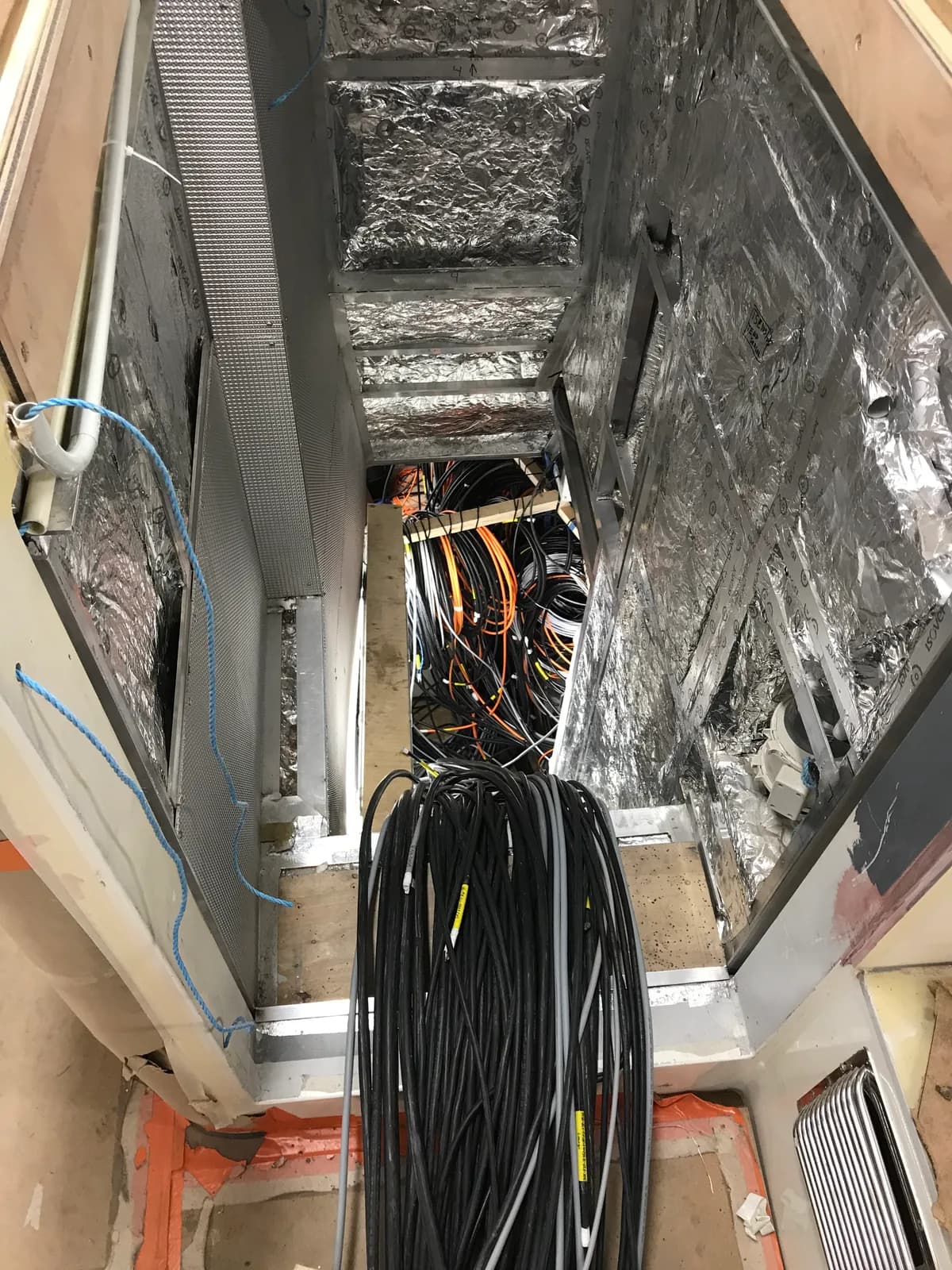
Available details → technical pre-assessment → Panama onboard survey → options and engineering scope. A modernization price requires a sufficiently defined scope. Preliminary attendance establishes the installed configuration, constraints and engineering basis before a reliable project quotation is developed.
The agreed quotation can cover engineering, equipment, panels, software/interfaces, installation, mobilization, OEM support, FAT, cutover, commissioning/SAT, trials, as-built records, spares and ongoing support. Start with the seven required fields; a complete specification is not needed.
When support, spares, documentation or architecture constraints make continued repair unsuitable, compare lifecycle options. One failed component does not automatically justify full replacement.
Yes, within an agreed scope and available access. Send the system, known maker/model, vessel location and intended window to prepare the survey.
No. An assessment may support maintaining the system, securing backups/spares, upgrading a weak layer or migrating a platform. Full modernization is appropriate only where the evidence supports it.
Platform-specific diagnosis and migration use the dedicated PLC/HMI service. Broader interfaces, architecture, documentation and cutover planning can make the change a modernization project. Software access, compatibility and OEM requirements are checked first.
Possibly, after condition, signal, power, functional compatibility, supportability and applicable approval requirements are verified. Retention is an engineering decision, not a blanket promise.
Document the installed architecture and legally available records, then compare compatible replacement and engineered migration paths. Proprietary project access or software recovery cannot be assumed.
TESS can act as the agreed onboard interface in Panama while the OEM or specialist provides product-specific engineering or remote support. Access, authorization and each party’s scope must be confirmed.
Yes. A Panama survey can establish equipment, interfaces, constraints and scope early enough to inform engineering, procurement and the dry-dock work package.
It depends on the defined work, equipment readiness, access, shutdown and test windows. A short call may support a survey, while execution requires a separate planned period. No zero-downtime or same-day modernization promise is made.
The applicable route is assessed case by case, especially for essential, safety-related or classed functions. TESS can coordinate the technical scope; approval and certification remain with the defined authorities.
Only where condition, rating, routing, identification, compatibility and applicable requirements support retention. Inspection may identify sections needing renewal or documentation rebuild.
These activities can form part of the agreed scope, with OEM or specialist involvement where needed. The test plan depends on the system, modification and Owner/Class requirements; every stage is not automatic.
Agreed deliverables may include architecture and as-built drawings, equipment/I/O lists, legally available backups, parameter/version registers, test and commissioning reports, change records, spare lists and support actions.
Send the installed system, available evidence, vessel location and intended project window. TESS can review the lifecycle problem and prepare an appropriate onboard assessment in Panama.
Steel, piping, machinery, HVAC and other disciplines belong in the broader vessel programme. This page defines its electrical and automation work package.
Vessel refit & modernization →For an agreed supply, installation, integration and commissioning package, review coordinated project execution.
Turnkey projects →Independent scope definition, contractor coordination, supervision and project control can be arranged as engineering support.
Engineering & superintendence →Chiller, refrigeration, compressor or HVAC BMS/control projects belong with HVAC. Their signals can remain interfaces in a wider electrical/automation scope. Primary bridge/navigation electronics remain outside this service.
Marine HVAC & refrigeration →