Vessel & window
Vessel, location, ETA / attendance date and ETD or available working window.
PANAMA · ONBOARD MACHINERY CONTROL TROUBLESHOOTING
When a pump, compressor, valve or auxiliary machine works manually but not automatically—or a sequence stops on an interlock, missing signal or feedback—TESS can review the control chain before arrival and arrange qualified onboard troubleshooting in Panama.
Send the machinery, maker/model if known, what should happen, what actually happens, ETA/ETD and any safe photos, screenshots or drawings already available.
Command · Permissives / Interlocks · Sensors / I/O · Controller Interface · Outputs · Relays / Solenoids / Actuators · Feedback
Start with the symptom and vessel schedule. Available evidence helps prepare the tools, spares and OEM support for the attendance.
Vessel, location, ETA / attendance date and ETD or available working window.
Affected system, maker/model if known, what should happen and what actually happens.
Safe photos, nameplate, panel or alarm screen, drawings, manual, sequence or previous report.
Send what is available. Specialist details and attachments are optional.
Recognize the symptom; let the diagnosis establish the failed layer.
The fault may be in the command source, operating mode, a permissive or interlock, a field signal, the controller interface, an output, relay, solenoid or actuator, the machinery itself, or the feedback proving the next step.
Parallel process-input path
04 · Controller / Logic
Feedback proves the machinery state before the next sequence step. A missing indication can stop an otherwise healthy machine.
The question is not only whether the controller is running. It is where the machinery control chain stops.
TESS investigates the functional control chain of an individual machine or auxiliary system: commands, automatic sequences, modes, field inputs, relay logic, outputs and feedback. A machinery interface may be investigated before a confirmed fault is handed to the appropriate specialist.
PLC appears to run, but one pump will not auto-start: investigate its command, permissives, field devices and response.
CPU STOP, failed module, lost remote-I/O station, software, project or network failure: PLC / HMI specialist support.
PLC / HMI Specialist Support →A permissive enables a function or transition. An interlock prevents incompatible or unsafe operation or enforces a sequence. A real process condition may correctly prevent operation.
A trip or shutdown initiates a protective action; an inhibit blocks a function under defined conditions. An alarm indicates an abnormal condition and does not necessarily stop machinery. OEM definitions and drawings remain authoritative.
For a Böning-focused integrated project, assess the vessel architecture. Generic machinery-function diagnosis remains within this service. Böning Marine Automation & Integrated Systems →
Scope follows the installed equipment and reported control fault.
Auto start/stop, duty/standby, level or pressure command, valve permissives, starter/VFD run or reference interface and running feedback.
Automatic sequence, lead/lag, load/unload command, pressure inputs, solenoids, permissives and local-panel interfaces.
Start/stop, local/remote, damper command, airflow proof and speed-reference interface. Accommodation HVAC and refrigeration follow the HVAC specialist route.
Sequence and discharge interfaces, temperature permissives, pressure feedback and changeover valves. Proprietary controller work may require the OEM.
Generic pump/level sequences, hydrophore controls, freshwater or sewage-controller interfaces and remote-valve feedback. BWMS treatment controls require separate assessment.
Selectors, limits, relay circuits, solenoid commands and actuator position feedback. Mechanical or hydraulic defects and safety-related limits are assessed separately.
A machine may respond to a local manual command yet fail to receive a remote automatic request. These are two different control questions.
At the machinery or local panel.
From another control station or vessel system.
An operator commands the individual function within the system design.
The sequence, logic and process conditions determine operation.
Panel labels and control hierarchy vary by vessel and OEM. Diagnosis follows the installed design and its protective conditions.
Compare the process condition, the signal received and the expected machinery response. A failed device is only one possible explanation for a missing or implausible input.
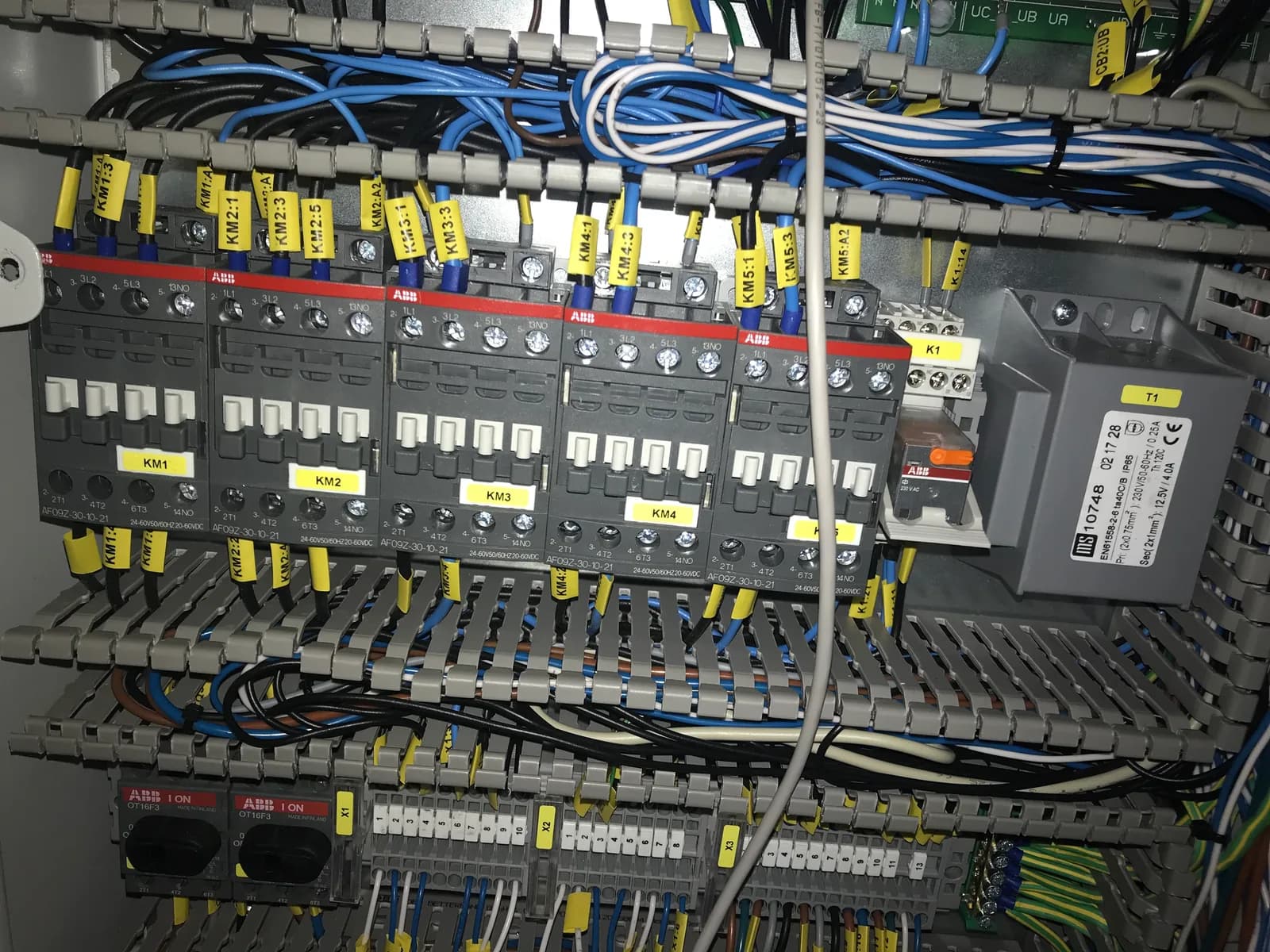
Pressure, level, temperature, flow, speed, proximity and limit inputs where they enable, sequence or stop machinery. Investigate contact state, supply, wiring and input/interface mismatch.
Relays, timers, solenoids, electric actuators, motorized valves and pneumatic/hydraulic control interfaces. Separate a missing command from a mechanical failure to move.
Open/closed limits, running status and position feedback. Valve-open proof can block a pump start even when its VFD is healthy and ready.
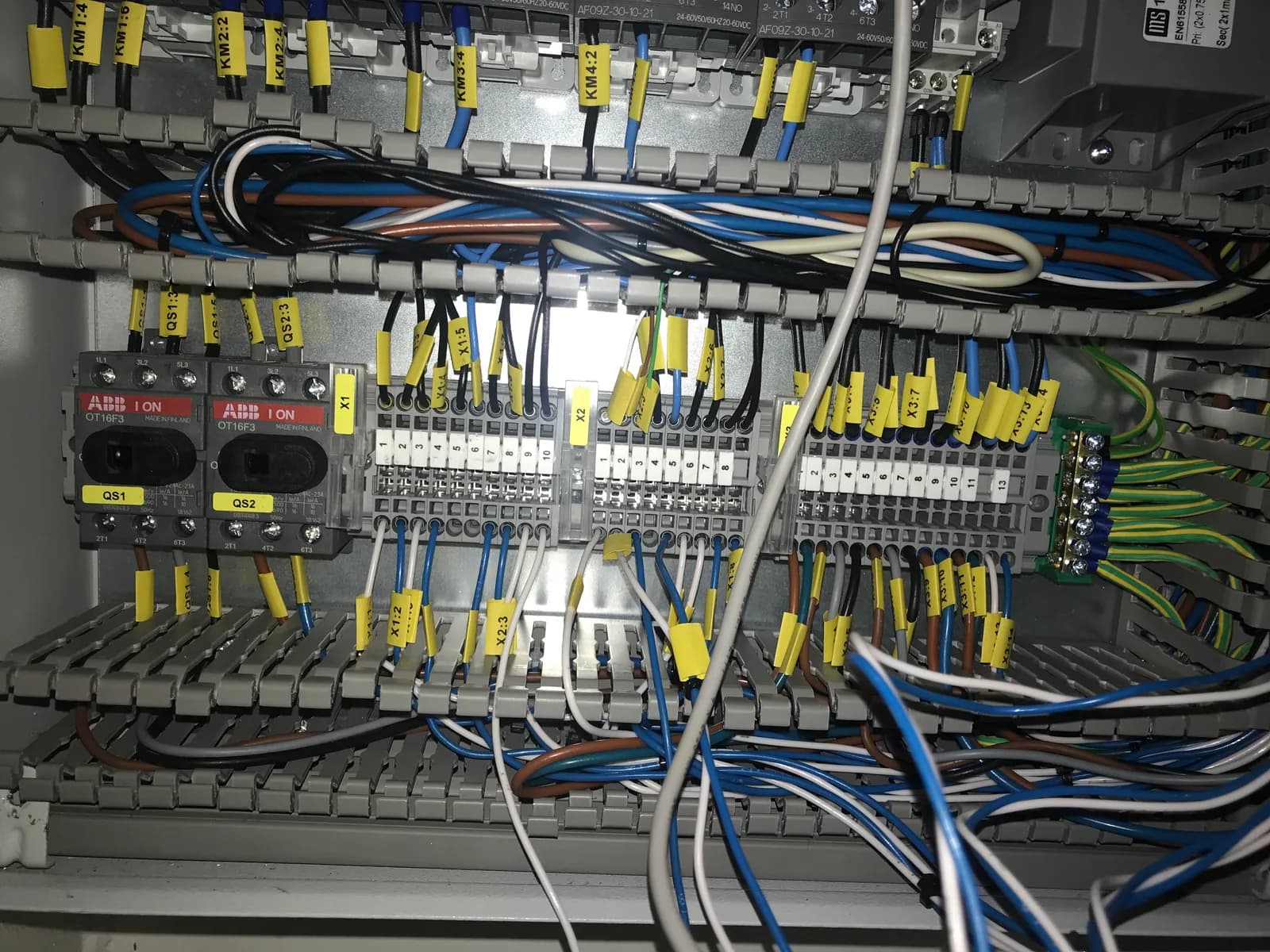
Signal function determines scope. Indication-only, trends and generic alarm monitoring are separate from machinery control. Certified calibration is confirmed separately.
Local control power supplies, transformers, fuses, terminals, relays, timers, selectors, pushbuttons and wiring can interrupt the machinery function. Upstream distribution faults follow the power specialist route.
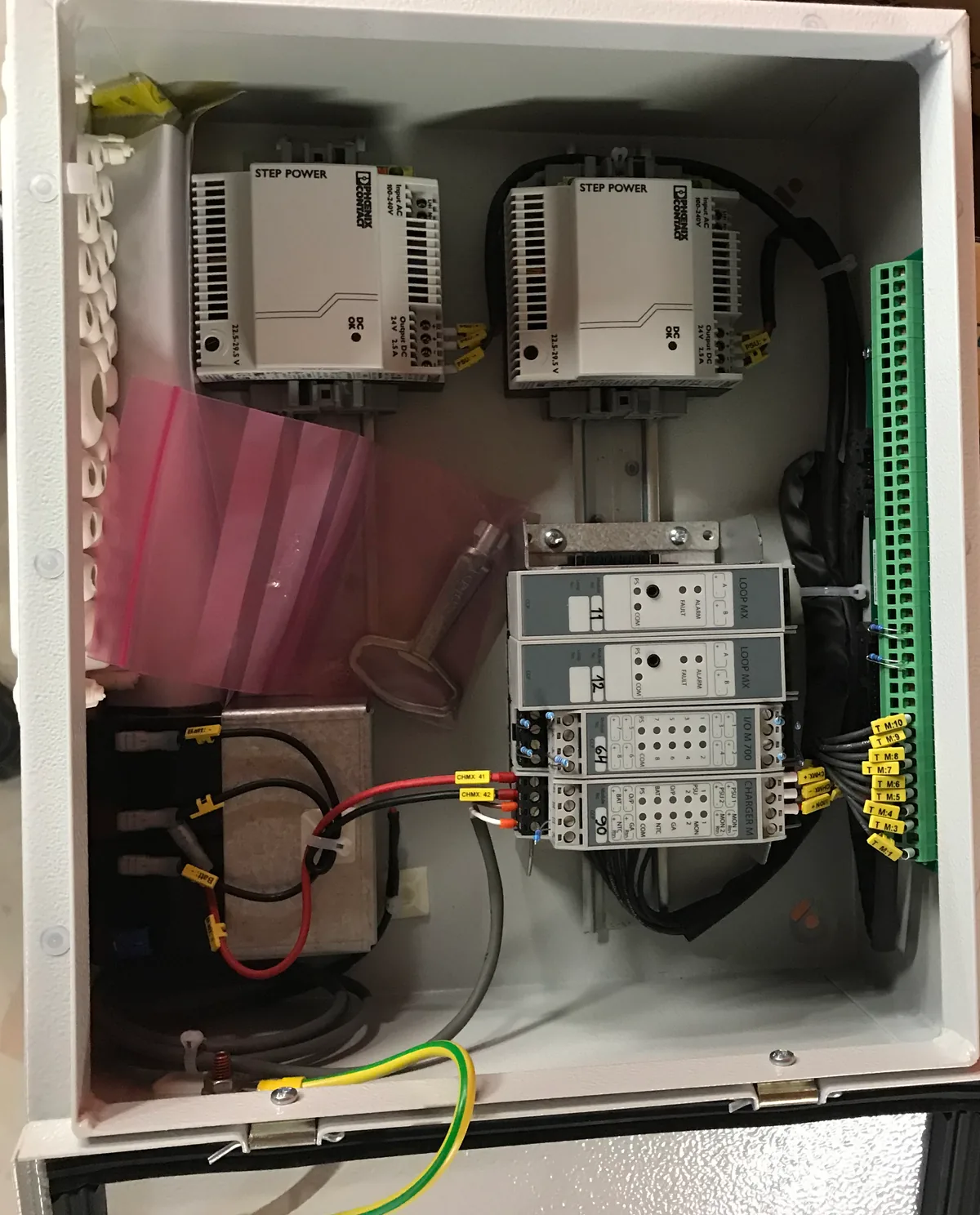
Required diagnostic tools, manufacturer software and interfaces are confirmed during pre-assessment. One missing machinery command may start here; a failed PLC/control network or multiple lost nodes goes to PLC/HMI support.
Fault isolation defines the next specialist. A machine that simply will not start still needs broad triage.
CPU STOP, missing project, failed PLC module, remote-I/O station or primary network fault.
PLC / HMI Specialist Support →No incoming power, feeder/breaker, switchboard or distribution problem.
Switchboards & Power Distribution →Confirmed internal drive trip, starter, overload, motor cable or winding fault.
VFDs / Drives / Motors →Unknown electrical/automation fault, whole IAS unavailable, unexplained alarm or generator/PMS pre-assessment.
Rapid Electrical & Automation Troubleshooting →Chillers, accommodation air conditioning, refrigeration and provision-plant process controls.
Marine HVAC & Refrigeration →Pump or compressor mechanical defect, pressure loss, leaking cylinder, seized actuator, gearbox or bearing.
Machinery Repair Support →Troubleshooting is performed under vessel authorization and applicable isolation and permit procedures. Machinery may start automatically and may contain live electrical circuits or stored hydraulic, pneumatic, thermal and mechanical energy. Safety circuits, emergency stops, trips and protective interlocks are not defeated to force operation. Any controlled test or configuration change is assessed according to the installed equipment, vessel procedures, OEM requirements and the safety function involved.
Generator synchronization, PMS, AVR/governor, propulsion and bridge-to-rudder steering control remain separate specialist domains. Interfaces may be assessed case by case.
Boiler/burner management, incinerators, safety PLCs, BWMS and OWS/15 ppm controls require equipment-specific assessment, approvals and OEM/specialist involvement as applicable. No protective bypass or compliance defeat.
Repair the existing arrangement where practical, source approved components and plan obsolescence before repeated faults consume the vessel’s working window.
Restore the supported arrangement where technically justified.
Preserve drawings, configuration records, legally and technically available backups, a spare strategy and identified replacements.
Replace an obsolete element with a validated, supported successor while preserving the wider arrangement.
Engineer renewal where discontinued controllers, unavailable I/O or displays, unsupported interfaces or undocumented modifications make the legacy system unsustainable.
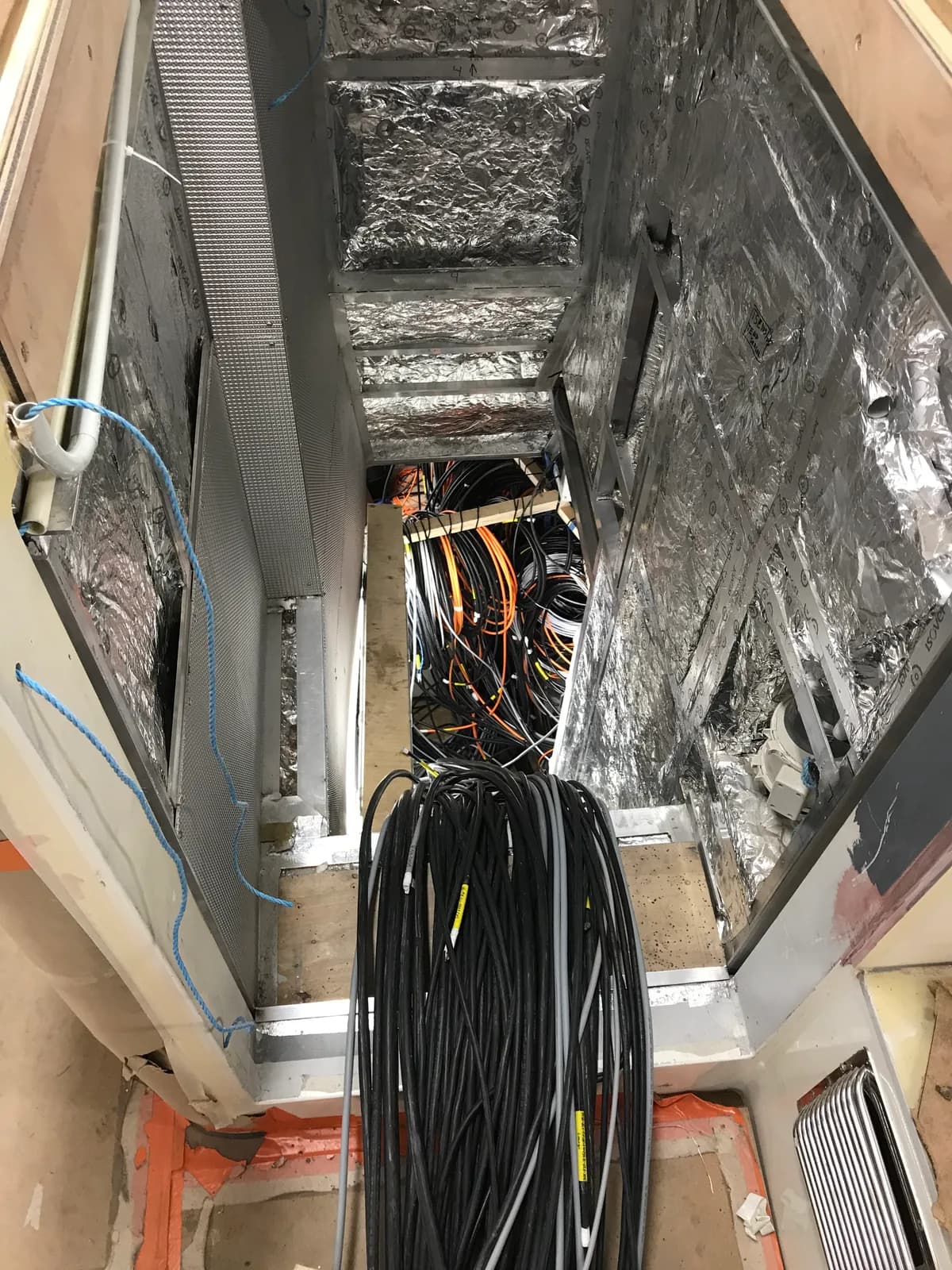
Same voltage or same signal does not automatically mean drop-in compatibility.
Pre-assessment → onboard fault isolation → identify the failed layer → restore where practical → approved parts / OEM path → controlled retrofit when needed.
Identify equipment and operating mode; review history, locate the sequence stop and distinguish field, controller, drive or power involvement.
Trace accessible signals, relays and feedback; investigate the local panel; replace accessible approved components and test within the agreed scope.
Deeper sequence investigation, wiring repair, supported sensor/actuator/controller replacement, OEM coordination, repeated tests and documentation.
Obsolete panel renewal, controller migration, machinery-control retrofit or multi-system modernization.
These are planning bands, not completion promises. Attendance purchases qualified diagnostic effort. Parts, access, tools, safety conditions, OEM support and the root cause determine the final repair path. Attendance, parts, follow-up, OEM support and optional retrofit are quoted separately.
Manufacturer-specific software, access levels, proprietary configuration and licensed tools are confirmed case by case. Where the machinery OEM must remain involved, TESS can provide the Panama onboard layer needed to inspect the vessel, collect evidence, perform approved checks and execute defined physical work.
Proprietary knowledge, software, approved replacements and technical direction.
Physical inspection, evidence, approved checks, defined component work and functional testing.
Authorization, operational history, access, isolation and agreed test conditions.
The report records what was established and what the vessel needs next. OEM or specialist involvement may qualify any of these outcomes.
Fault corrected within confirmed scope and the agreed operational test completed. This is not full-system or class certification.
The failed layer is identified sufficiently to define the next action: field device, wiring, controller module, drive or machinery.
The correct component, controller or field device is needed before restoration.
Obsolescence, unavailable parts or an unsupported legacy architecture makes controlled renewal preferable to repeated repair.
Useful findings travel with the vessel. The service report records the as-found condition, operating mode, alarms/trips, sequence stop, relevant permissives and I/O, field and wiring findings, components changed, tests, functional result, limitations and recommended spares or follow-up.
Configuration or logic changes record the item, previous and new state where available, reason, authorization, technical basis and test result. Technical case data is kept out of analytics.
Published project history provides context for the engineering approach and its limits.
Control cabinets, bridge consoles, electrical distribution and monitoring/alarm integration across newbuild and modernization work. Delivered under the leadership of our lead engineer.
Read the Automation Case →Multidisciplinary machinery inspection, electrical/control interfaces, technical coordination and repair-scope definition. Relevant experience for fault assessment and coordinating the next repair steps.
Read the Recovery Case →Describe the machinery, expected function, actual symptom and vessel ETA. TESS will pre-assess the case before confirming onboard scope and commercial arrangements.
Yes. TESS can pre-assess and troubleshoot machinery-control faults onboard in Panama where the issue involves sequences, control circuits, field signals, permissives, interlocks, relays, actuators, feedback or machinery-controller interfaces. Manufacturer-specific software and proprietary access are confirmed case by case.
That symptom often points to the automatic command chain rather than the motor or machine alone. The investigation may include operating mode, permissives, field inputs, sequence state, outputs and feedback.
The fault may lie in control selection, remote command, communication, interlocks or return status. TESS can help isolate whether the problem is in the machinery control chain or must move to PLC/network specialist support.
No. An interlock may remain active because of an actual process condition, a failed switch or transmitter, wiring, an I/O/interface problem, incorrect feedback or the controller itself. The fault path must be isolated before replacing equipment.
TESS can investigate sensors, switches, transmitters, solenoids, actuators and feedback devices where they form part of the machinery control chain. Certified calibration or specialist actuator service is confirmed separately when required.
Yes, depending on installed equipment and condition. Typical scope may include control power, relays, timers, selectors, terminals, wiring, I/O, controller interfaces and functional testing.
Yes. Pump-control troubleshooting may include level or pressure commands, duty/standby sequence, permissives, valve status, control output, starter/VFD interface and running feedback.
Yes, where the fault involves the control sequence, permissives, load/unload commands, solenoids, pressure inputs, local panel or external interface. Mechanical compressor defects and proprietary OEM software are separated accordingly.
Yes, at the diagnostic and integration level where practical. TESS can identify the controller, verify accessible inputs/outputs and external interfaces, collect fault evidence and coordinate the OEM where proprietary software or configuration is required.
Sometimes a supported successor can be used; in other cases the replacement becomes an engineered retrofit requiring I/O verification, wiring changes, logic adaptation, documentation and testing. Compatibility is assessed before supply.
Yes. TESS can provide the onboard Panama layer while the OEM provides proprietary software, technical direction, approved replacements or specialist support.
PLC software and logic work are assessed according to the installed platform, available project/backup, access rights, safety function and required authorization. Platform-level PLC work belongs primarily to TESS's PLC/HMI specialist scope.
Once the root cause is localized to the VFD, starter, motor or motor-side electrical system, the job routes to the VFD / Drives / Motors specialist scope.
A confirmed upstream feeder, breaker, switchboard or distribution fault belongs to the Switchboards / Power Distribution specialist scope.
Many faults can be meaningfully investigated during a short attendance, and some can be restored onboard. The actual result depends on root cause, access, spare availability, software/tools, OEM involvement and the vessel's available window.
Generator synchronization, load sharing, AVR/governor and PMS functions are treated as a separate specialist domain. TESS can pre-assess the case and route the work according to the confirmed technical layer.
Propulsion-control work is assessed case by case because the systems may contain OEM-specific and safety-critical control functions. Scope depends on the installed equipment, authorization, OEM requirements and specialist access.
TESS does not defeat protective or safety interlocks simply to force machinery operation. The cause of the interlock must be understood and the appropriate vessel/OEM safety process followed.
Send the fault details and vessel ETA. Prepare the diagnosis, identify the right technical layer and organize the onboard repair path in Panama.