Fault
Symptom, alarm or fault code, and the impact on vessel or machinery operation.
PANAMA · VESSEL TROUBLESHOOTING · ELECTRICAL & AUTOMATION
Vessel arriving in Panama with a PLC, HMI, alarm, drive, generator-control, switchboard or machinery-control fault? Send the fault, equipment details and vessel schedule so TESS can review the problem and prepare the technical attendance before boarding.
Panama Canal · Balboa · Colón / Cristóbal · Alongside or anchorage subject to location, access and confirmed scope
Better information before boarding means better use of the vessel’s limited time. Start with three things.
What TESS Does Onboard →As-found → Isolate → Correct → Test → Document
Symptom, alarm or fault code, and the impact on vessel or machinery operation.
Maker, model and relevant PLC / HMI / VFD. Nameplate photos, alarm screenshots and drawings help.
Current or planned location, ETA, ETD and the time available for onboard attendance.
Send what you have. Missing information should not delay the first technical review.
Start with the symptom. The diagnostic scope follows the installed equipment and its interfaces.
Access and restoration depend on installed hardware, software access, project backups and authorization. Locked projects, unavailable source code and safety logic require a separately agreed route.
PLC / HMI Specialist Support →
Send this fault: PLC / Controller Fault →Project extraction or restoration is assessed for the installed panel and available software; it is not always possible.
PLC / HMI Specialist Support →
Send this fault: HMI / Display Fault →Installed Böning monitoring, alarm, display or navigation-light interfaces can be assessed subject to system access and confirmed scope.
Alarm, indication or sensor fault already localized? See Alarm & Monitoring Systems. →
Send this fault: Alarm / Sensor / Monitoring Fault →Support for installed ABB, Siemens, Schneider, Danfoss, Vacon or Yaskawa drives depends on the model, software, documentation and access.
Drive & Motor Specialist Support →
Send this fault: VFD / Motor Control Fault →Voltage, system, safe isolation procedures, access and qualified resources determine scope. Energized work and unrestricted high-voltage intervention are not standard attendance.
Switchboard & Power Distribution Specialist Support →
Send this fault: Switchboard / Control Power Fault →Electrical and control troubleshooting; mechanical work requires a separately accepted scope.
Send this fault: Generator / PMS / Synchronization Fault →A machinery stoppage is not automatically a PLC fault. The diagnostic finding determines which discipline is needed.
Machinery sequence, interlock or local-control fault? Explore Machinery Control & Automation. →
Send this fault: Machinery Automation Fault →Network changes require an agreed scope, system information and authorization; no arbitrary changes to the vessel’s OT network.
PLC / HMI Specialist Support →
Send this fault: Communication / Network Fault →Preparation before boarding makes short attendance valuable. A 4–6 hour, 8–12 hour, overnight or one-day call can provide a diagnostic window; completing the repair within that window depends on findings, access, software and parts.
Review the fault, equipment and ETA / ETD. Collect drawings, photos, backups and an OEM contact; confirm the engineer, tools and boarding plan.
Record the as-found condition, isolate the fault, correct where practical and authorized, and perform agreed functional tests.
Record the result, any remaining limitation and the next technical action, including parts, OEM input or a further attendance.
Attendance depends on vessel location, agent and boarding arrangements, confirmed timing, engineer availability, equipment / tools, launch access, safety and actual system condition. Alongside and anchorage access must be confirmed. Work during active Panama Canal transit requires separate confirmation.
A disciplined attendance produces evidence, an agreed intervention and a clear result.
Record condition, alarms, system state and relevant settings before unnecessary changes.
Trace the source: power, wiring, sensor, controller, actuator, communication, configuration or mechanical / hydraulic interface.
Where practical and authorized: repair wiring, replace approved parts, restore connections, permitted parameters or approved backups, and correct interfaces.
Perform the agreed functional test of the equipment or system with the vessel team.
Record the result, cause where established, work completed, limitations and recommendation.
Combine the OEM’s remote system knowledge with an engineer at the vessel and the crew’s operating knowledge. Agree access, responsibilities and the test plan before intervention.
This is a coordinated onboard support model. Manufacturer authorization, software access and remote support must be confirmed for the specific equipment and scope.
Each is a valid technical result. The scope and vessel window determine what can be completed.
The fault is corrected and the agreed functionality is verified. The completed work and test result are recorded.
The cause is established or sufficiently narrowed. Final restoration may require a spare, software, OEM support, an unavailable module or more vessel time.
The condition is stabilized where possible or technically understood. Lifecycle assessment, replacement, migration, retrofit or modernization becomes the justified next scope.
A diagnostic finding can reveal that another local repair will not address the underlying limitation. Any larger scope is proposed from the evidence and agreed separately.
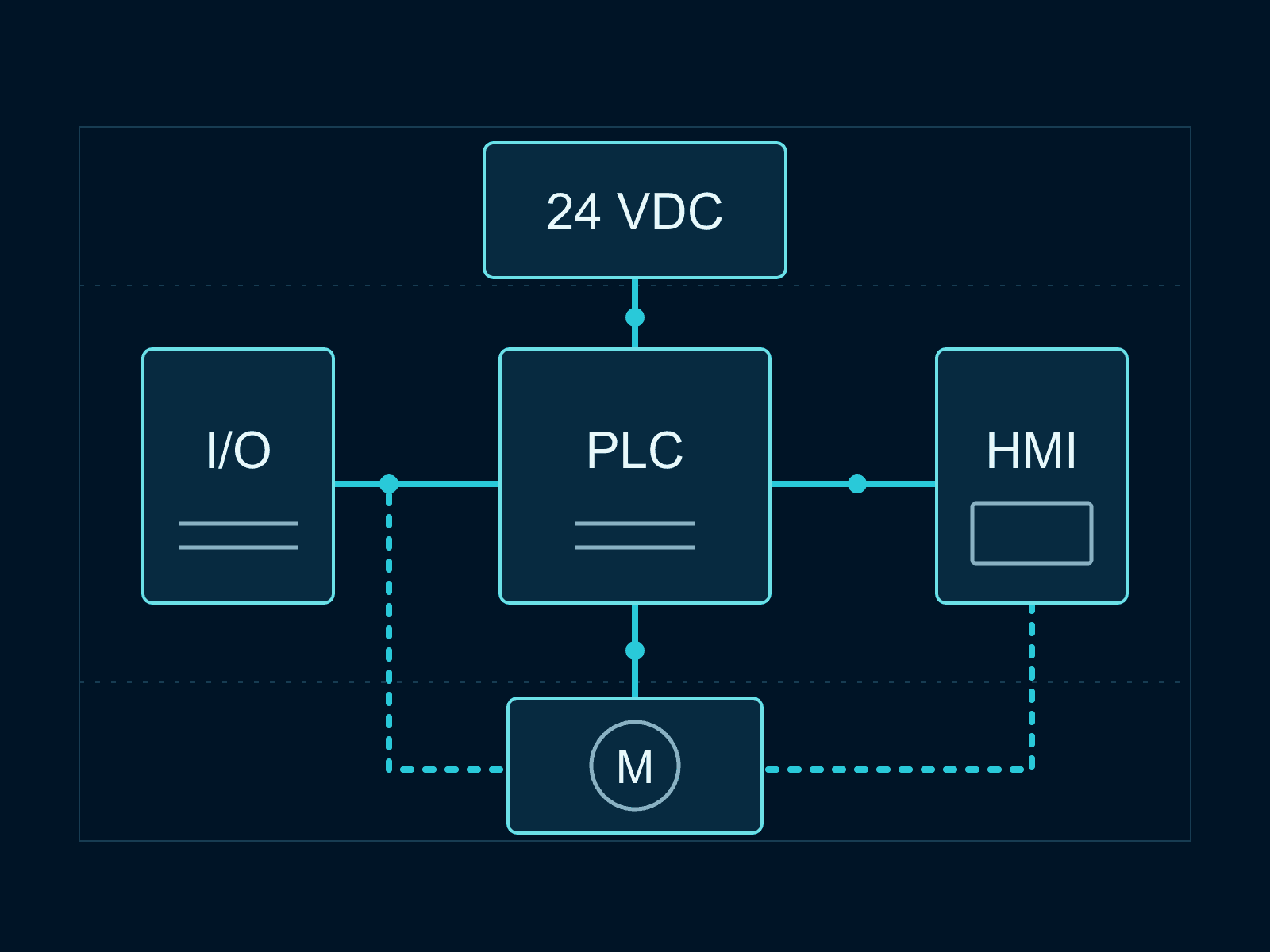
The published marine automation case documents work led by TESS’s lead engineer in Europe outside TESS: bridge-console fabrication, control-cabinet assembly and wiring, and integration of propulsion, power, monitoring and alarm systems. It shows relevant integration experience; the scope of your attendance is assessed separately.
View Marine Automation Experience →A service record proportionate to the agreed job, with the evidence needed to understand the result and decide what comes next.
Request a technical review to prepare the scope of paid onboard attendance. Send what you have. Missing information should not delay the first technical review.
Call / WhatsApp Technical Service
Start with a contact, vessel name, current or planned Panama location, ETA / attendance date and fault description. Add the maker, model, alarm code, photos, drawings, backups and ETD when available. Perfect documentation is not required for the first review.
A short call can be a useful diagnostic window when prepared in advance. Timing depends on location, agent / boarding arrangements, engineer availability, access, safety and confirmed scope. A short attendance does not guarantee completed repair.
Recovery must be assessed against the installed controller, software access, protection, project files, backups and authorization. Some controllers do not retain editable source projects. Universal recovery, access to locked projects and source-code reconstruction cannot be assumed.
Send the original and replacement model details, symptoms and any available backups. TESS can assess compatibility and the available restoration route with the owner and OEM. The replacement controller may require the correct application project; diagnosis cannot substitute for missing authorized software.
The agreed electrical / control scope can include sensing, permissives, breaker control, synchronizer, PMS, PLC and AVR / governor interfaces. Mechanical work is separately scoped. Testing depends on safe vessel operating conditions and authorization.
TESS can provide the onboard engineer for agreed equipment identification, readings, wiring checks, logs, approved interfaces, component replacement and functional tests. OEM availability, software access and authorization must be confirmed beforehand.
Yes, subject to the installed drive model and available access / documentation. Diagnosis considers the supply, protection, drive or starter, motor, command, interlocks and mechanical load. Parts and software requirements are reviewed before restoration is proposed.
The displayed alarm is checked against actual physical condition, then the sensor, wiring, signal, remote I/O, controller, network and display / alarm logic. An alarm should not be dismissed or bypassed without establishing what it represents.
TESS can assess electrical and control symptoms within the confirmed machinery scope. Commands, permissives, interlocks, feedback and hydraulic / mechanical response may all be involved. A stopped machine is not necessarily a failed PLC.
The record explains the findings, work completed, functional result, remaining limitation and recommended action. A diagnosed fault requiring parts, OEM support or more time is a valid outcome. Obsolete or repeatedly failing systems may require a separately agreed engineering scope.
Send the fault, installed equipment and Panama vessel window. TESS can then review the appropriate engineer, tools, access and technical next step.